The good news is that Pacific Northwest drivers are spending less time in their cars and buying less gas to fill them.The bad news is that the average family of four still spends $6,200 per year on gas.The information comes from a new study by the Sightline Institute showing that gas usage has flatlined in Washington and Oregon despite steady population increases.Behold.Speaking to Seattle Weekly today, Sightline Director of Programs Clark Williams-Derry says that there are many factors to blame for the decrease in gas use.”The closest thing to a smoking-gun reason is gas prices,” he says “Fuel prices have worked their way into our economy and behavior in many ways. The second big factor is that a generational shift is happening. As it turns out, people between ages 40 to 55 are at their peak driving years. That’s when employment rates are pretty high, a lot of families have kids and have to drive them around. A decade ago boomers were in that range. Today they’re not.”Sightline’s report is packed full of interesting data. For example, drivers under 40 have posted the largest drop of any age group in the number of miles driven, and people are using about 7.4 gallons of gas a week, down from a peak of 10.1 gallons per week in 1978.Nationally, gas use has also flat lined. But in the Pacific Northwest it’s been that way for much longer.The implications for decreased gas use aren’t necessarily a good thing–at least for state transportation coffers. Less gas use means less gas tax revenue, and since states are already struggling to maintain their crumbling roads and freeways, having less money to do so could be disastrous. “If gas use declines and vehicle miles decline, all bets are off,” says Williams-Derry. “It will create a sea of red ink for transportation departments.”Williams-Derry says the best model for what the future of America will look like with less gas and vehicle use is Germany. In Germany, where gas use flatlined long ago and has actually declined, the country has shifted toward diesel fuel and also moved toward increased train transportation.One thing that’s for certain is that the attitude toward cars has changed, Williams-Derry says. “Kids don’t race out to get their driver’s licenses right when they turn 16,” he says. “There’s a preference for gadgets over cars. People are interacting online rather than driving around with their friends. Obviously some of that is financially driven. But the culture has changed.”Follow The Daily Weekly on Facebook and Twitter.
More Stories From This Author


Transit riders will be able to pay fares with credit, debit cards
A new Tap to Pay feature by One Regional Card for All (ORCA) will allow transit riders to use credit…
By
Steve Hunter • February 19, 2026 1:57 pm
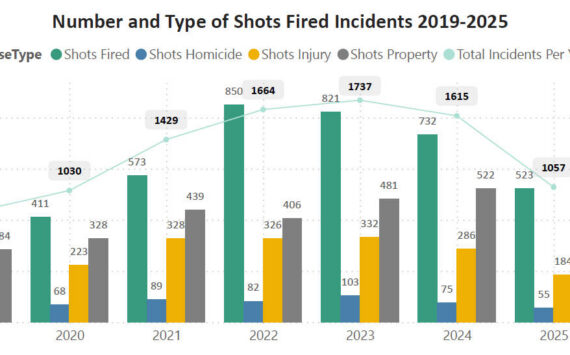
King County reports fewest shootings since before the pandemic
The county saw a decrease in shootings and a change in the demographics.
By
Joshua Solorzano • February 19, 2026 9:00 am
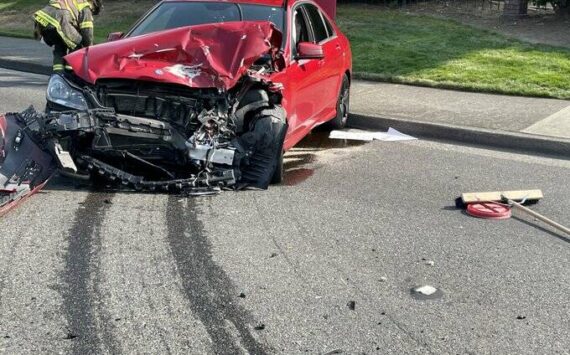
Study shows top crash-prone intersections in King County
King County is home to 11 of the 30 most crash-prone intersections in the state, according to a study by…
By
Drew Dotson • February 18, 2026 2:52 pm