
A recent study suggests that only 35 percent of children in King County can tell time on an analog clock. Like other arguably antiquated abilities such as writing in cursive, telling time though on an analog clock seems to have been lost in the digital age.

We hit the streets with camera in hand to capture some of the beautiful faces of Mariners fandom, and asked them what their hopes for the season were.

“If those bad practices are in fact in Seattle, we as well would like to know about them, because we don’t know if they exist,” said Pamela Hinckley of Tom Douglas Restaurants—after saying to the Council that the company’s scheduling policies vary from restaurant to restaurant, and that some company employees receive one week’s notice of their schedules.

Asked if he thought SHARE was playing politics with the closure of shelters for the needy, a city official was unequivocal. “I do,” he says. “It’s directly connected to a request they’re making to the county [for money].”
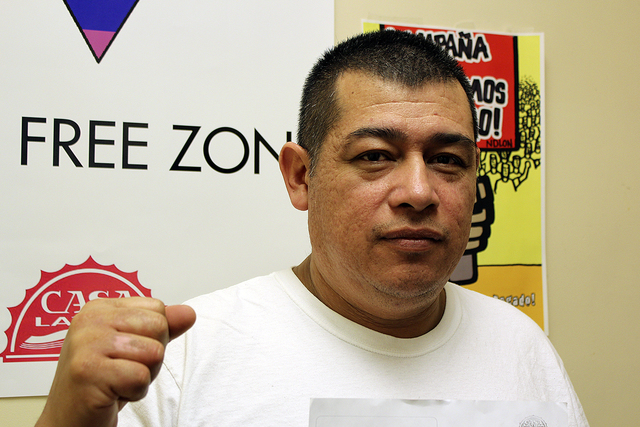
April 1 marked the first anniversary of Seattle’s minimum-wage and wage-theft ordinances; both officially took effect on April 1, 2015, and as of January 1, the minimum wage jumped to $13 an hour for employees of large companies. In December, the City Council passed a suite of extra worker protections and employer penalties, including making wage-theft victims eligible for receiving three times what is owed them.
While each regulation carries its own nuances that should not be overlooked, as a whole these laws have sent a clear and important message to those on the lowest rungs of our economic ladder: You matter.
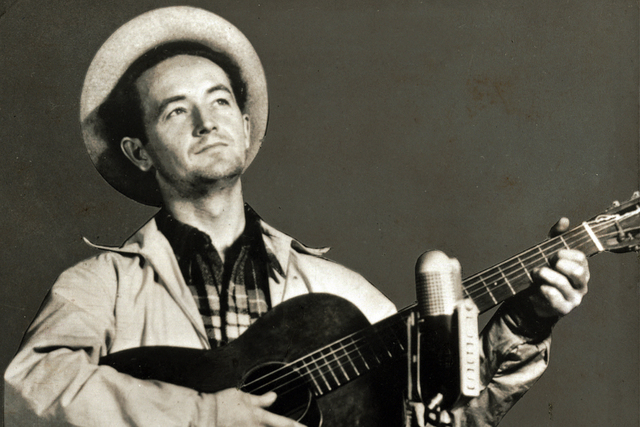
Seventy-five years ago, the folk icon arrived in the Pacific Northwest to write songs for a progressive cause. The progress faltered, but the songs remain.

On the eve of the Mariners’ opening day, Joe’s Grilled Gourmet Dogs owner Joe Bernstein has high hopes and a lot of hot dogs.
Earlier this month, legislators in Olympia approved a plan to direct state dollars toward homeless student services via a competitive grant program. But will they fund that funding?
Last night, speaking on a drug policy panel at Seattle University, Urquhart came even closer to an outright endorsement of safe drug sites in Seattle. “I guarantee you,” said Urquhart, “that if you’re going into a safe injection site, you will not be arrested by any of my deputies, period.”
Today, proponents of bringing safe drug sites to Seattle launch their public education (or propaganda, depending on your political leanings) campaign, to let the rest of us know the details of and rationale behind such sites.
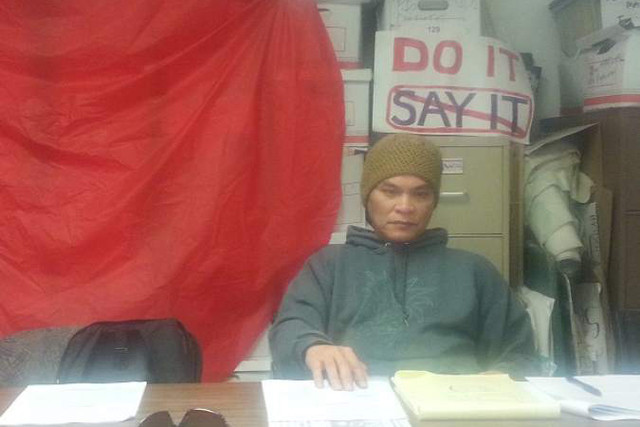
Operators of the homeless advocacy and service group SHARE say that they’ll be forced to close down 15 shelters holding about 450 people Thursday morning, because they’re out of money.
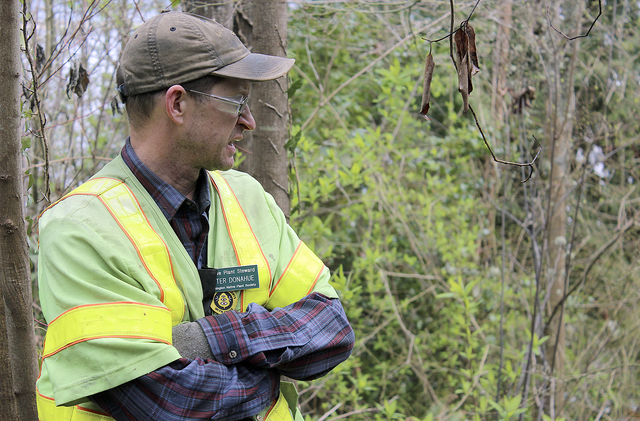
Peter Donahue has cultivated a slice of wilderness in the city for the past three years. Now his work—and the benefits it provides—could be undone by a homeowners association.
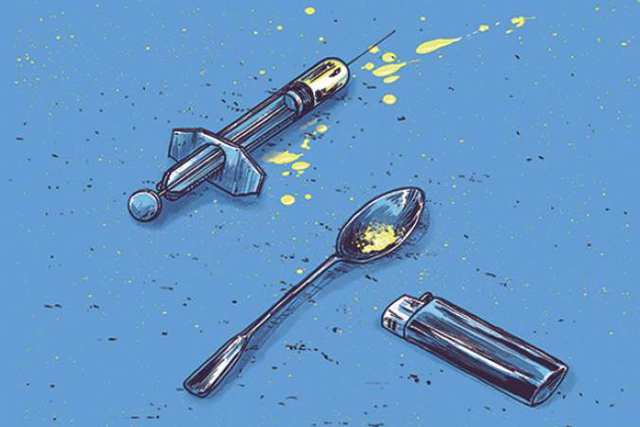
Safe drug sites in Seattle are now a question of when, not if. Yet while safe drug sites are a necessary part of effective, humane drug policy, they’re not sufficient. We need to end the War on Drugs.
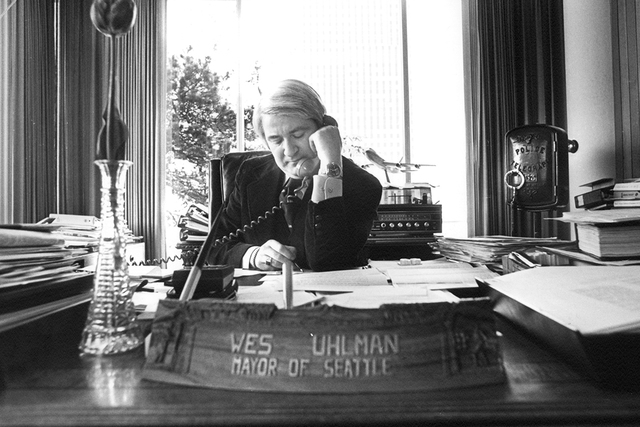
How a movement focused on creating a good city unwittingly set the stage for Seattle to become a global one.
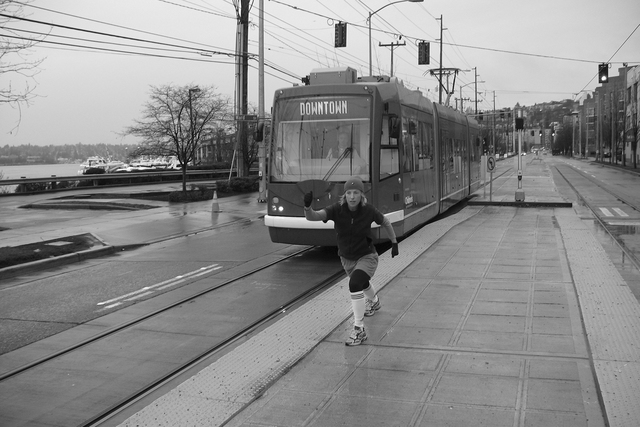
Seattle came a long ways in the 2000s, but it lost something as well.

An influx of talent and trouble quickly brings Seattle up to speed.
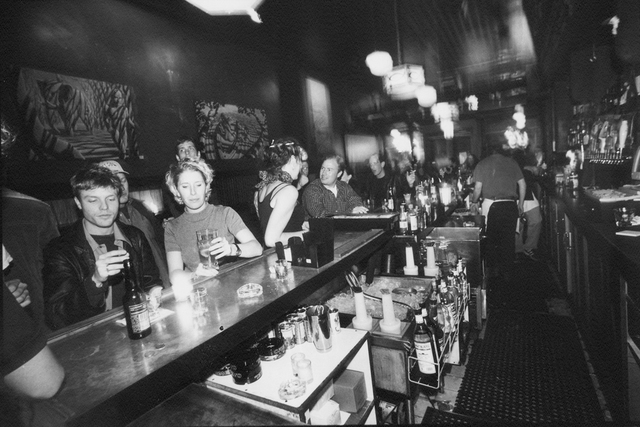
How to be in Seattle in the last decade of the 20th century.
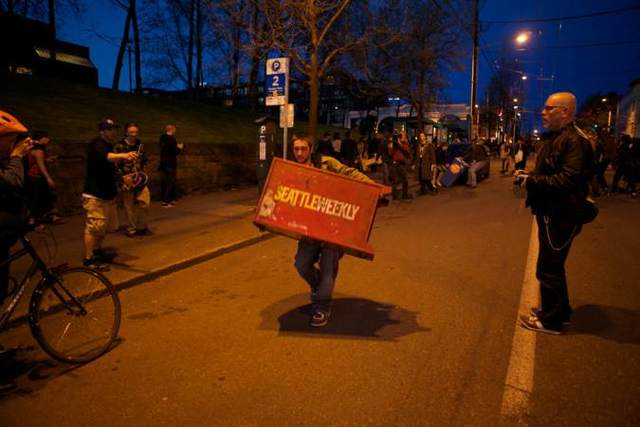
From dirty diapers to Girl Scout cookies to quality journalism, you never know what you’ll find.

We interview @Man_In_Tree and contemplate whether it’s okay to take pleasure in a mental health crisis. Welcome to your digital future.