Culled from a conversation with Dr. Paul Pottinger, an infectious diseases expert at the UW.1. This year’s flu shot is really good. Every year, researchers try to determine which strains of the flu virus will be most common. This year, they got two out of the three right guessed right on the two most common strains, which is considered a success.2. The most common strain of the virus this year is resistant to oseltamavir (brand name: Tamiflu), the main flu medicine. 3. The replacement medicine, zanamavir (brand name: Relenza) must be inhaled, which is problematic for people with asthma or other bronchial/air passage irritations. 4. Flu season may not have peaked yet. “We’re still below our usual Washington state average of 3%,” says Pottinger, of the infection rate. “Having said that, there’s plenty of variability. There are years when the epidemic will peak in February or even in March.”5. Doctors are starting to see cases of simultaneous flu and MRSA pneumonia infections. “In past years, people have been in at risk for getting staph pneumonia after they’re done with flu,” explains Pottinger. This year, there have been “several reports of people getting flu and MRSA pneumonia at the same time. It’s a new wrinkle that makes treatment more challenging. [MRSA pneumonia] is a very serious life-threatening disease. It needs to be diagnosed and treated rapidly.” Pottinger adds that, even if you do get sick, the vaccination should make your recovery quicker. And, of course, he stresses the importance of “respiratory hygiene”–staying home when you’re sick and making sure to wash your hands and/or use hand sanitizer. More info on flu shots (where to get ’em, etc.) at this King County Health page.
More Stories From This Author



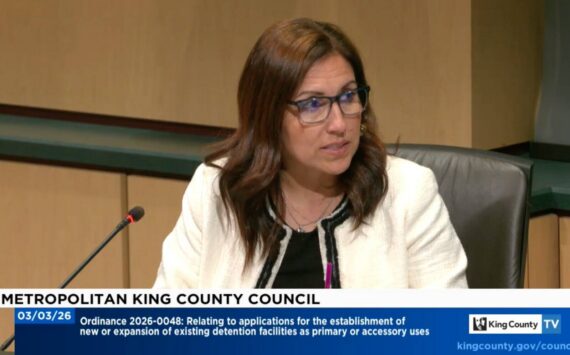
KC Council approves moratorium on detention centers
The King County Council approved a moratorium on detention centers in unincorporated King County as an effort to limit immigration…
By
Drew Dotson • March 4, 2026 4:10 pm

King County blocks construction of ICE detention centers
The King County Council approved an emergency one-year moratorium on March 3 that immediately blocks acceptance of permits for new…
By Staff reports • March 4, 2026 2:48 pm

Rivian and Lucid could see direct-to-consumer car sales in WA
Legislation allowing luxury electric vehicle makers Rivian and Lucid to join rival Tesla in selling directly to Washington customers is…
By Jerry Cornfield, Washington State Standard • March 2, 2026 6:12 pm