L to R: Blushing Pink Lady, Hulking HoneycrispThere’s a shocking number of apple varieties lurking out there. A quick and easy Google search (“apple varieties”) takes you to this website, which lists what appears to be a minimum of 874 known varieties. Brown Street, Crawley Beauty, or Peasgood Nonsuch, anyone?It seems a shame that most of us have spent our lives acquainted with a relatively limited and perhaps subpar selection of autumn’s star fruit. But that seems to be changing, as over the last few years a growing number of heirloom and lesser-known apples have been making their way to farmers markets and grocery stores. This week, Versus examines two apple varieties that have caused minor hysteria among apple eaters in recent years, the Honeycrisp and the Pink Lady.A note on tasting: The Honeycrisp is considerably larger in size than the Pink Lady. For the sake of consistency (and also because Versus simply prefers sliced apples to whole), the apples were sliced and three slices of each were consumed during head-to-head competition. The Honeycrisp’s parents are the Macoun and Honeygold (itself a cross between a Golden Delicious and Haralson) apples, who met in the apple breeding labs of the University of Minnesota in 1960. After the Honeycrisp’s meteoric rise to fame, an elementary school in Bayport, MN petitioned the Minnesota state legislature to make the Honeycrisp apple the state’s fruit in 2006, an honor it holds today. The first thing you’ll notice about the Honeycrisp is its rather massive size. This plump fruit weighs in at close to one pound and, at $2.99 a pound (the price at Sosio’s Produce in Pike Place Market), this apple proved to be a bit pricier than normal. But the first bite reveals the Honeycrisp’s most striking characteristic: a startling crispness that’s simultaneously light, almost airy, and fills your mouth with a spray of apple juices. Each piece of apple is consistently crunchy and moist, with a sweet-tart balance that tastes just like the memory of a childhood glass of Mott’s apple juice, cut with a nice dose of water. L to R: Honeycrisp, Pink Lady, halvedThe apple commonly known as the Pink Lady is officially the Cripps Pink, named after John Cripps, who crossed the Golden Delicious with the Lady Williams apple sometime in the 1970s in Australia. The Pink Lady, in accordance with its vaguely flirtatious name, is a fine-looking apple: pert, round and petite, with a lovely deep pink blush to its skin. Appearances aside, the Pink Lady does not mess around when it comes to flavor. This Pink Lady was downright intense–quite tart and fruity, with an almost boozy quality. It seems entirely reasonable to leave the fruit on your tongue as you suck the juices out to try and discern its exact flavor. The meat of the fruit breaks away in very clean, crunchy bites and, where the Honeycrisp is noticeably airy and crisp, the Pink Lady is decidedly dense and firm.Verdict: Testing the Honeycrisp and Pink Lady against one another in slice form was critical here, as each variety holds the potential to overwhelm when eaten whole. The Honeycrisp, with its refreshing texture and flavor, was also disconcertingly large and too filling. The Pink Lady, though more appropriately sized for a snack, was incredibly pungent. In this match-up, though, the Pink Lady’s intense flavor punch prevails over the Honeycrisp’s mild ways. Pink Lady for the win.** Versus would like to acknowledge that individual apples vary wildly in flavor, just as personal preferences for different varieties do.
More Stories From This Author

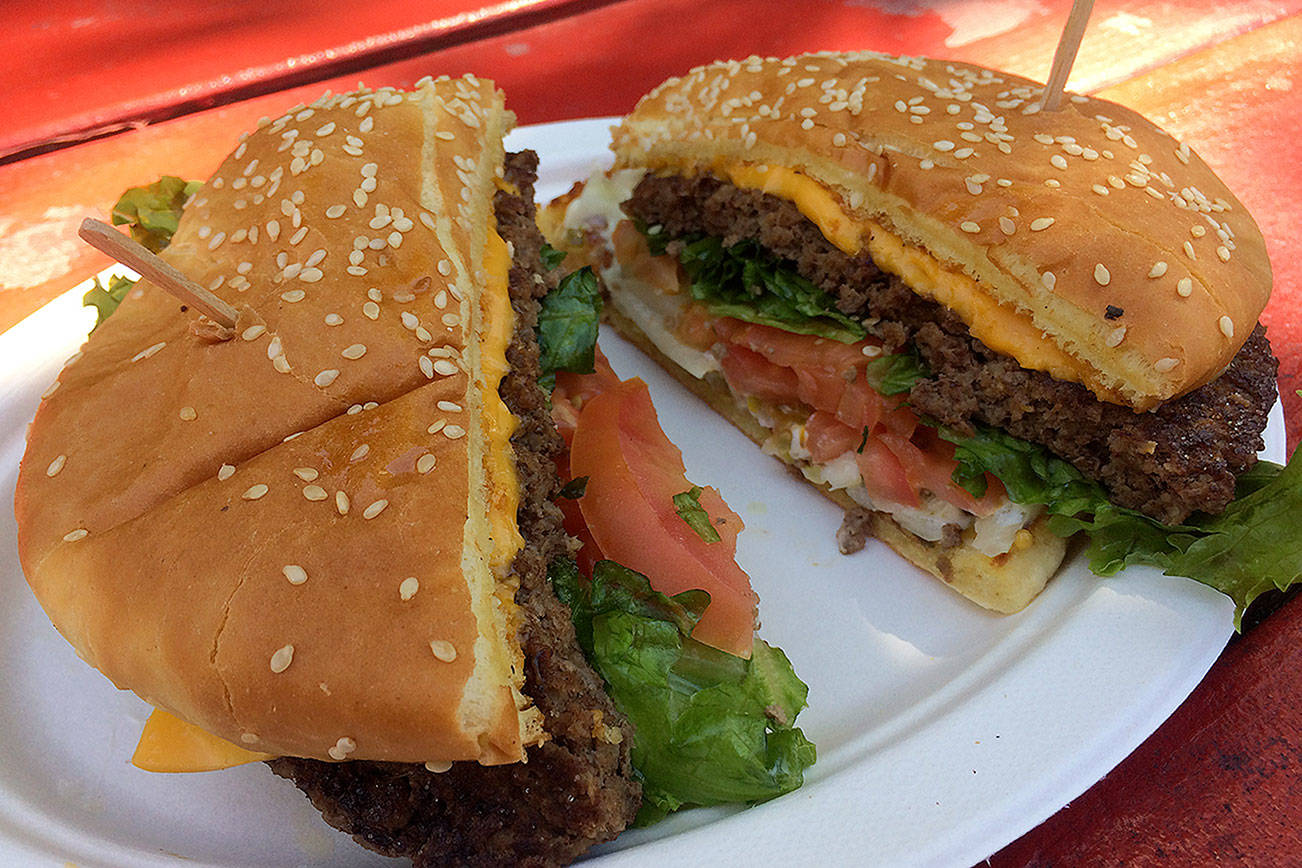
For 50 years, Zeke’s off US 2 has served delicious burgers
It’s been a popular pit stop in Gold Bar for skiers and hikers, and the same family still runs it.
By
Evan Thompson • June 6, 2019 11:05 am
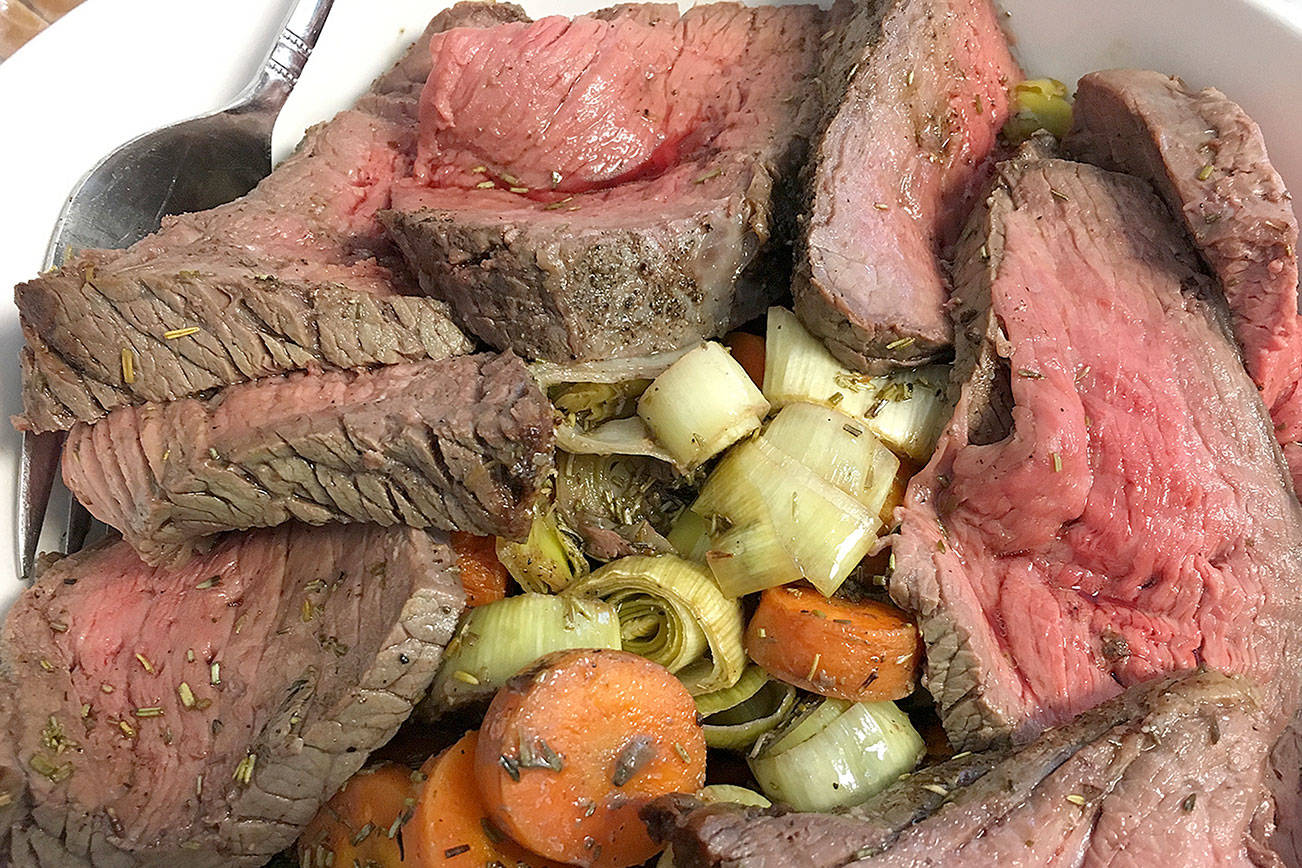
With ‘Game of Thrones’ ending, it’s time for a proper feast
How to make a meal inspired by the Lannisters’ and Starks’ world, fit for the King in the North.
By
Ben Watanabe • May 15, 2019 1:30 am
Stash Box: 2016-2019
Time to roll one for the road …
By
Meagan Angus • February 26, 2019 3:15 pm