Seattle anti-nuclear activist Glen Milner brought his quest for Navy documents before the U.S. Supreme Court yesterday. It’s a case that puts the Freedom of Information Act to the test– and sheds light on how government agencies have been using a once-narrow exemption to shield ever more documents from the public. It all started when Milner asked for maps of the Navy’s operations on Indian Island, located off the coast of Port Townsend. The Naval Magazine there is a major storage site for ammunitions, and Milner wanted to know whether any weapons’ explosions would reach neighboring residents. The Navy refused to release the documents, citing an exemption to FOIA–known as Exemption 2– regarding documents related to “personnel rules and practices.” In the ’60s, when Congress created FOIA, this exemption was construed to mean exactly what it sounds like: all the boring minutia of workaday life like vacation, sick leave and parking policies, according to Milner’s attorney, David Mann. But he says agencies in recent years have interpreted the exemption to mean anything at all having to do with its employees. That’s pretty much everything–or at least everything that the agencies don’t want the public to know. In 2009, the Department of Homeland Security alone cited Exemption 2 approximately 70,000 times, according to Mann. Of course, there are real safety concerns when it comes to the release of Homeland Security documents, or even those related to ordinary federal agencies. The Supremes seemed conscious of that yesterday. Justice Samuel Alito asked Mann about “architectural plans for a federal building that would disclose the size of the bomb that would be necessary to bring the building down.” (See pdf of Supreme Court transcript.) Would the government have to release that? (Maybe not, but not because of Exemption 2, Mann replied; other exemptions, like one related to law enforcement capabilities, would address that.)Even so, the justices seemed critical of the government’s attempt to use Exemption 2 however it wanted to. Chief Justice John Roberts pointed out that the government could classify really sensitive documents, and he said that was a better option than “coming to us and saying you should torture the language in FOIA.”The court is expected to rule on the case before summer.
More Stories From This Author





Rivian and Lucid could see direct-to-consumer car sales in WA
Legislation allowing luxury electric vehicle makers Rivian and Lucid to join rival Tesla in selling directly to Washington customers is…
By Jerry Cornfield, Washington State Standard • March 2, 2026 6:12 pm

Renton man sentenced for 2023 Seattle homicide
The 61-year-old man received a nearly 31-year sentence.
By
Joshua Solorzano • March 2, 2026 4:30 pm
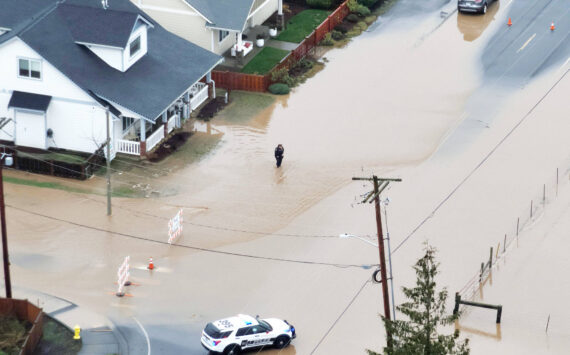
SBA offering loans for property, business losses from December flooding
Deadlines to apply for personal property loans, which includes damages to personal property and homes, is April 27.
By
Ray Miller-Still • February 27, 2026 11:30 am