DNA double helixKatherine Riofta wonders when her brother is getting out of prison. Will it be days, weeks, or years? She’s sure he didn’t shoot anyone. So is a lawyer who wrote the attorney general’s office telling them the state has the wrong man. “Alex was misidentified and wrongly convicted,” says Katherine, “and they know it.” Alexander Riofta, 26, was convicted in a 2000 first-degree assault case linked to the 1998 gang-related massacre at a Vietnamese karaoke bar in Tacoma, the Trang Dai, which left five dead and six wounded. Riofta, then a teenager, was friends with some of the accused Trang Dai killers, and was found in 2001 to have shot at, and missed, the brother of a witness who’d agreed to testify. He has so far done seven years based on the eyewitness testimony of the victim. No fingerprints were found in a stolen car used by the gunman or on a spent bullet. A white hat that flew off the head of the gunman was never tested for DNA.In 2002, Kristi Minchau, a Tacoma attorney who represented Jimmee Chea, a gang member convicted in the Trang Dai killings, contacted the AG’s office during Riofta’s appeal. Chea had told her “who actually committed the shooting for which Alexander Riofta has been convicted and why the victim lied about the shooter’s identity.” Chea didn’t give her permission to reveal the name, she said, but she was allowed to say “it is someone who has a prior conviction in Washington for a violent offense and whose DNA should be on record…” It could match any DNA on the hat.Said Minchau: “I have absolutely no reason to doubt what Jimmee told me. I also have absolutely no stake in the Riofta case. But if this guy has been wrongly convicted, he deserves a chance at proving it…” Pierce County prosecutors and the AG’s office both oppose DNA testing of the hat, however, which could show it was worn by someone other than Riofta or that, lacking Riofta’s DNA, show he wasn’t at the scene. Citing case law, the prosecutor and AG say Riofta’s trial attorney had the chance to test the DNA early on, but didn’t, and there’s no “probability of innocence” to do it now.The case landed before the state Supreme Court last year, along with other DNA appeals sought by the University of Washington’s Northwest Innocence Project. In oral arguments last October, Minchau’s letter got short shrift. Michelle Luna-Green, representing the state, suggested Riofta was merely fishing for evidence under a law intended for those “very real” situations when a person could be innocent. It is now 11 months later, with no indication a decision is coming down soon. That’s an unbearably long time to decide the obvious, that the denial of DNA testing is both legally and morally indefensible, says Katherine Riofta.“Evidence shows the eyewitness could not have seen anyone that night,” she says. “But the DNA test can settle that.” Being sure you’ve locked up the right person doesn’t seem too much to ask.
More Stories From This Author




Rivian and Lucid could see direct-to-consumer car sales in WA
Legislation allowing luxury electric vehicle makers Rivian and Lucid to join rival Tesla in selling directly to Washington customers is…
By Jerry Cornfield, Washington State Standard • March 2, 2026 6:12 pm
Renton man sentenced for 2023 Seattle homicide
The 61-year-old man received a nearly 31-year sentence.
By
Joshua Solorzano • March 2, 2026 4:30 pm
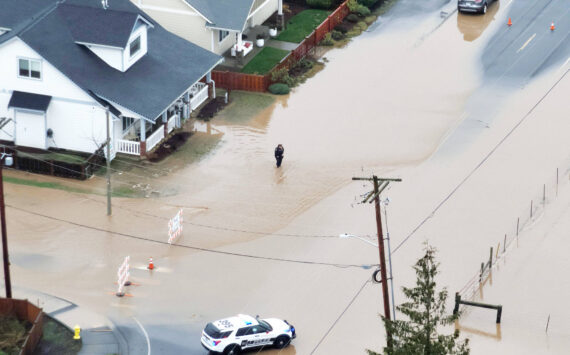
SBA offering loans for property, business losses from December flooding
Deadlines to apply for personal property loans, which includes damages to personal property and homes, is April 27.
By
Ray Miller-Still • February 27, 2026 11:30 am