Climate Change Could Kill Salmon’s Sense of Smell
Published 12:00 pm Friday, January 4, 2019
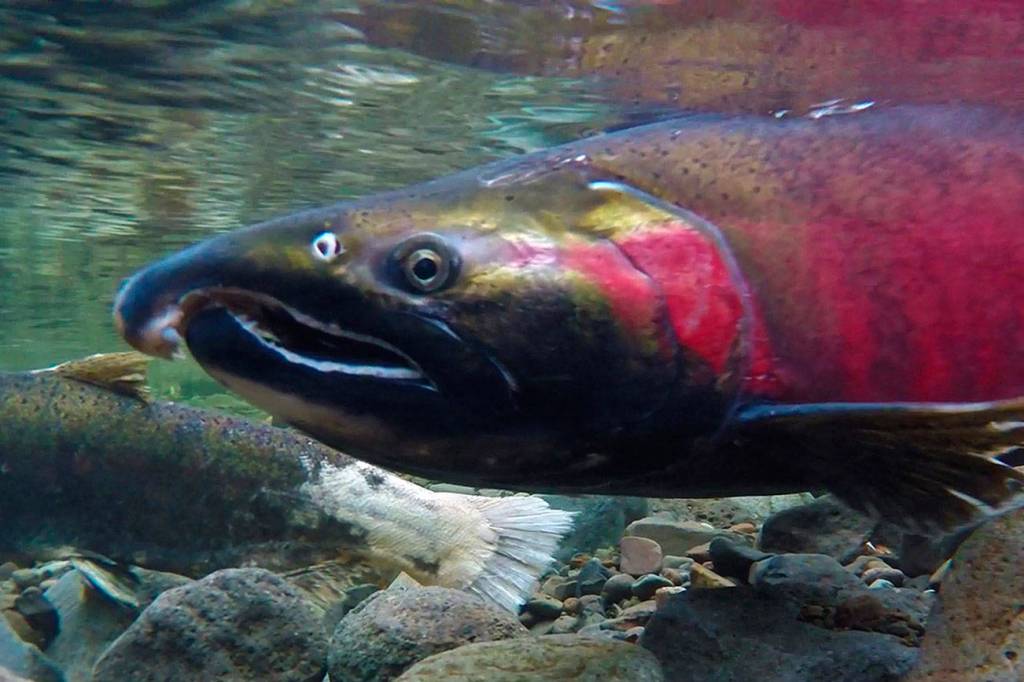
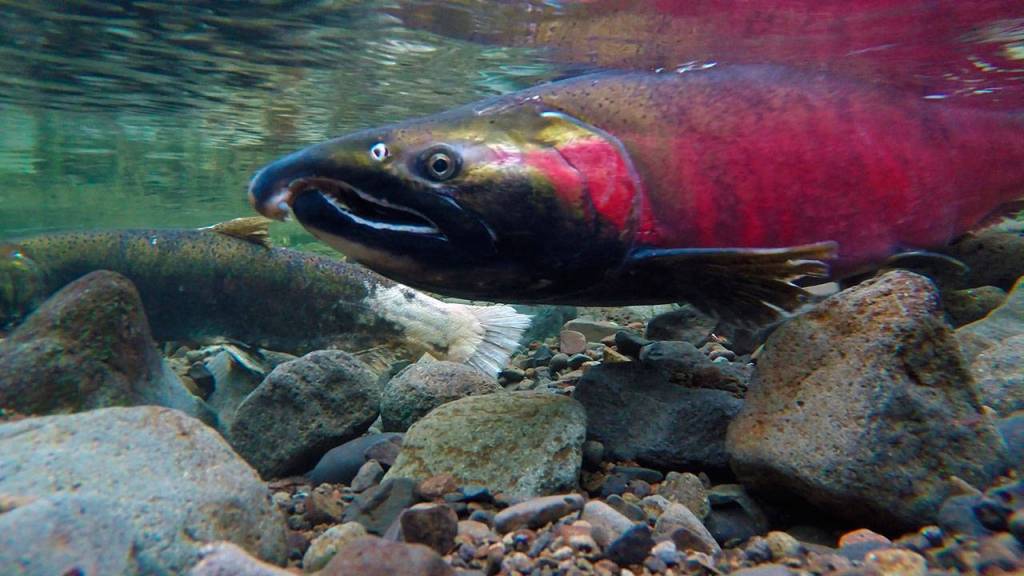
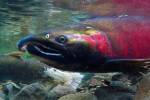
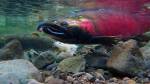
Coho salmon may lose their ability to smell and respond to danger as carbon-dioxide levels in saltwater continue to rise, making them easier prey for predators and making it harder for the salmon to navigate.
A study released by the University of Washington and the National Oceanic and Atmospheric Administration (NOAA) last month shows that higher levels of CO2, the primary pollutant driving climate change, could harm juvenile Coho salmon as more CO2 is absorbed by the ocean. Salmon use smell to detect predators and food, but also to return to the streams where they were born to both spawn and die.
Higher levels of CO2 can change the water’s chemistry, leading to more acidity. Previous studies have shown that pollution can interfere with a salmon’s sense of smell, causing what a UW summary called a “one-two punch” for the fish. The study, published on Dec. 18 in the journal Global Change Biology, involved researchers at the NOAA Fisheries lab in Mukilteo setting up three tanks of saltwater with different pH levels—one par with today’s current average, the second at levels predicted 50 years from now, and the third at 100-year levels.
Juvenile salmon were placed in each tank and exposed to the various pH levels for two weeks. After two weeks, the team ran a series of tests, placing the fish in a holding tank in which the smell of salmon skin extract was injected. This smell usually signals a predator has attacked another fish, therefore making them flee or hide. Fish in the current pH levels tank responded normally, but fish from the tanks with higher CO2 levels did not.
After this test, neural activity in each fish’s nose and brain, specifically in the olfactory bulb where smell is processed, were measured. All the fish could smell the odors, but the ones exposed to higher pH levels had their information processing altered. “At the nose level, we think the neurons are still detecting odors, but when the signals are processed in the brain, that’s where the messages are potentially getting altered,” said UW researcher Chase Williams in the summary.
Williams told the Weekly that the neural signaling system that was impacted by higher levels of CO2 is one widely shared across animals, including other species of fish and mammals. Williams wasn’t sure how this would impact the fish while they remained in freshwater, but once they venture into the ocean, it could be dangerous for the fish. “Having an impaired sense of smell in the wild is potentially a very dangerous thing,” he said.
Fish in the wild could become more indifferent to scents indicating predators and take longer to react to the smell. The summary also noted that navigation, reproduction, and hunting would also be impacted. Researchers will next look at whether increased CO2 levels can affect other fish species in similar ways, and Williams said new research will likely be published within the next two years. If it does, it could further harm Puget Sound salmon, which have seen their numbers dwindle in recent decades due to pollution, climate change, and overfishing.