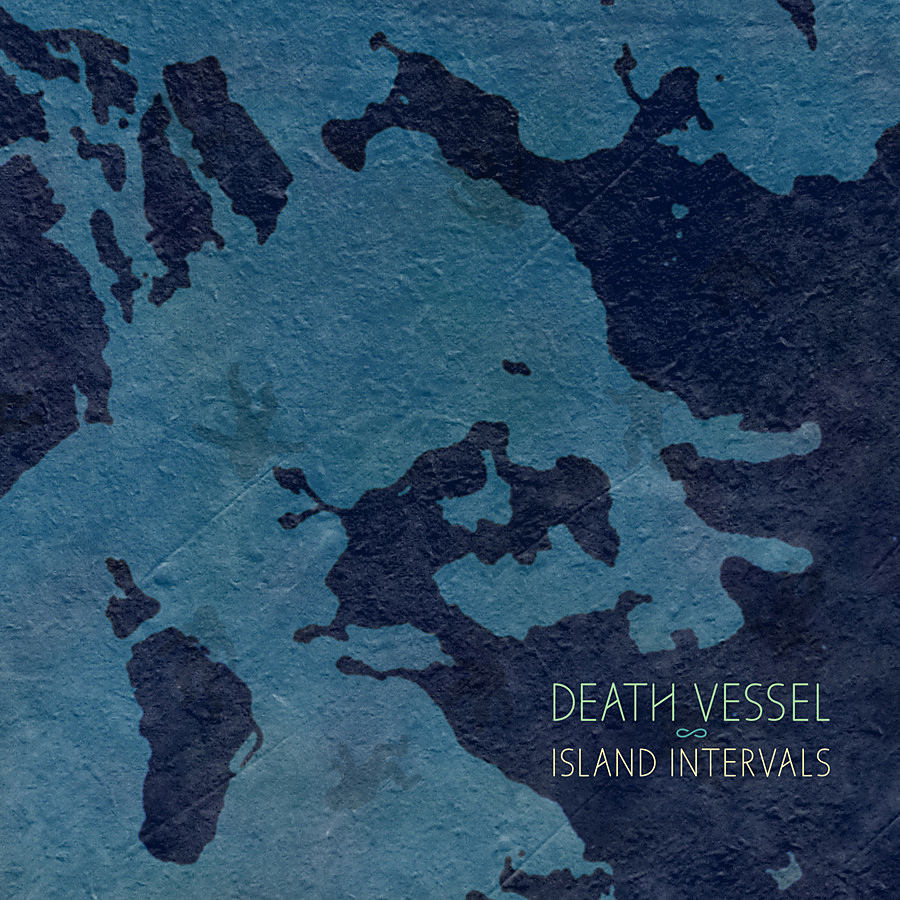
Death Vessel, Island Intervals (out now, Sub Pop, subpop.com) It’s been six years since Death Vessel’s Joel Thibodeau released his last album, 2008’s Nothing Is Precious Enough for Us, and this third release indicates he’s sticking to a formula that worked well the first two times. For Island Intervals, however, the Rhode Island native went international, trading familiar locales for the icy terrain of Reykjavik, where he worked alongside Sigur Ros singer Jonsi and producer Alex Somers. After three months together, the result is an album both mysterious and beautiful. Led by Thibodeau’s waify, androgynous vocals, Intervals begins in a much darker place than one might expect, opening with a sad coo on “Ejecta” that sets the tone for a moody, emotive collection a la The Tallest Man on Earth. Using a variety of unconventional instrumentation (like wind chimes and tribal-infused percussion) the tension builds, hitting an emotional and sonic high just shy of four minutes in. As the album progresses, the mood lightens, shifting completely four songs in with the bouncy, pop-friendly “Mercury Dime.” Album closer “Loom” marks an abrupt 180 spin in Intervals ’ emotive direction—a conclusion that sends shivers down your spine, like the first time that special someone grabs your hand. The whole boomeranging vibe of the album (just eight tracks long) conjures the feeling of what it’s like to be on the shores of Rhode Island—or Reykjavik—in the midst of spring, consumed by a love that’s romantic and messy. KEEGAN PROSSER
The Notwist, Close to the Glass (out now, Sub Pop) Last November, Sub Pop teased fans by announcing it had signed a mystery band, releasing a 15-second snippet of a new song and the hint that the band was “an artist that we’ve been HUGE fans of for years—artists with an established fan base who would be welcome at any record label that they please.” The snippet, a glitched-out, kraut-rocking mess of tabla drum samples and airy falsetto cooing, led 90 percent of online musical sleuths to guess something along the lines of Radiohead. The label’s mystery band turned out to be German indie rockers The Notwist—but to be fair, Close to the Glass, the band’s first release in five years, does sound a lot like Radiohead; frontman Markus Acher’s vocal stylings and penchant for dread-filled lyricism are dead ringers for Thom Yorke’s apocalypse-obsessed whimpers. The fact of the matter is, however, that The Notwist has been doing the broken-computer-music thing since 1998, two years before Radiohead krauted-out Kid A ’s buggy dystopian tunes. If anything, it can be argued that Radiohead sounds like The Notwist, not the opposite. Yet both bands have their sleepy moments, and Glass has its share, but for the most part there are lots of interesting ideas here. The tabla-driven glitch of the eponymous single is hyper-rhythmic in the best way—your brain will want to move around as much as your body does. “Run Run Run” is a complete reworking of what was originally “a simple blues song,” according to the band; the end result, the product of each member “manipulating each other’s performance,” is a skittering, bleeping tune that sounds like a dial-up modem hanging out at a goth club (dressed all in black, natch). But luckily for older fans, Glass isn’t without some classic early-Notwist guitar rock—“7-Hour-Drive” is a shoegazing tunnel of blissful, warping feedback that hearkens back to the band’s ’90s roots while incorporating its newer plinkerpop tendencies. KELTON SEARS
Bill Patton, A New Kind of Man (out now, Versicolor Records, versicolor.limitedrun.com) On his debut record, the guitar man for the likes of Fleet Foxes, Low Hums, Poor Moon, Gold Leaves, J. Tillman, and others exercises a certain Midas touch. Only thing is, everything he touches turns into bleak despair. The Beatles’ seminal “I Want to Hold Your Hand” becomes a Western slow-burner steeped in irony and self-loathing. Jennifer Lopez’s “Jenny From the Block” is reinterpreted to fit a smoky cabaret instead of the dance floor. Given the right somber mood, A New Kind of Man can be cathartic. Patton doesn’t console his listeners, he empathizes, taking cues from his collaborators, like the self-awareness of Father John Misty and the desolate arrangements of that artist when he was known as J. Tillman. The music wallows and mopes. His voice rarely rises above a baritone drawl. Patton is in the shit. The opener, “Alchemy,” moves around a progression similar to John Lennon’s “Imagine,” though tinged with alt-country sensibilities. On the second chorus, he bellows, “If I make it to the fountain of youth/I will come home ridiculous and bearing syphilis.” There’s just no silver lining anywhere here, and while the album isn’t exactly a good time, that’s not to say it isn’t good. Patton writes with poignancy. He opts to be transparent and self-deprecating instead of running rampant with nostalgia or feel-good pop. “Om” and “The Color of the Moon” find Patton at his best, working with dragged- and fuzzed-out guitars and pounding drums; the thundering instrumentals give his music a very welcome extra texture. Man closes with two testaments to love: a cover of Lennon’s “Oh Yoko” and Patton’s own “If I Had a Home.” “If I had a home/You’d be so nice to come home to,” he sings. “And if I had a heart, I would hold you and you would just smile.” For Patton, becoming a “new kind of man” means trawling through gloom and doom. The future is uncertain, but despite the sarcasm and loathing, he wants love like anyone else. Pretty touching stuff for a sad bastard. DUSTY HENRY