
There’s lots to feel good about when we talk about eating local, organic, and sustainable (and we do a lot of that these days). But what many well-meaning foodies would rather ignore are the whispers of elitism which hang around the topic of sustainability like stink on a compost bucket. People committed to eating sustainable foods like to insist that they’re driven by a moral directive from on high, but those lower to the ground still see it as a privilege. Sustainable food simply isn’t as accessible or affordable for lower income families, and unless people start talking about that fact, elitism will continue to dog the sustainability conversation. These thoughts raced through the mind at the start of a panel discussion on sustainability held last Sunday at Farm Day on Skagit River Ranch (winners of Seattle Weekly’s 2009 Food Award for Sustainability) in Sedro-Wooley. People had come to tour the farm, learn about farmers George and Eiko Vojkovich’s sustainable agriculture practices and eat burgers made from their organic, grass-fed beef. The first question to the panel (which included George Vojkovich, Greg Atkinson, Maria Hines of Tilth, and Craig Hetherington of TASTE) came from a woman who implored desperately, “How do we get these people to stop eating bad food? How do we get them to see?” She seemed dumbfounded — almost angry — about reckless, unenlightened people’s choice to poison themselves with terrible, toxic food. Bless Maria Hines, whose answer was as refreshing as it was smart. You can’t argue with flavor, Hines began. If people were to taste high-quality, sustainable ingredients like Skagit River’s beef, and learn about how it is raised, that would be the first step to converting them. But, Hines continued, making a point noticeably lacking in many conversations about sustainability, “You have to come to Tilth to taste that food. And not everyone can afford to do that. ” Hines took the opportunity to highlight the work of local poverty-fighting organization Solid Ground. Solid Ground’s many nutrition programs, including Lettuce Link, offer healthy cooking classes to lower income families, donate organic produce to food banks, and educate children and adults about nutrition and sustainable food-production. It’s supporting programs like this, said Hines, that would help people see the benefits of sustainability. It was, as Hines herself would say, “so rad” to see a chef direct an admiring audience toward action.
More Stories From This Author


For 50 years, Zeke’s off US 2 has served delicious burgers
It’s been a popular pit stop in Gold Bar for skiers and hikers, and the same family still runs it.
By
Evan Thompson • June 6, 2019 11:05 am
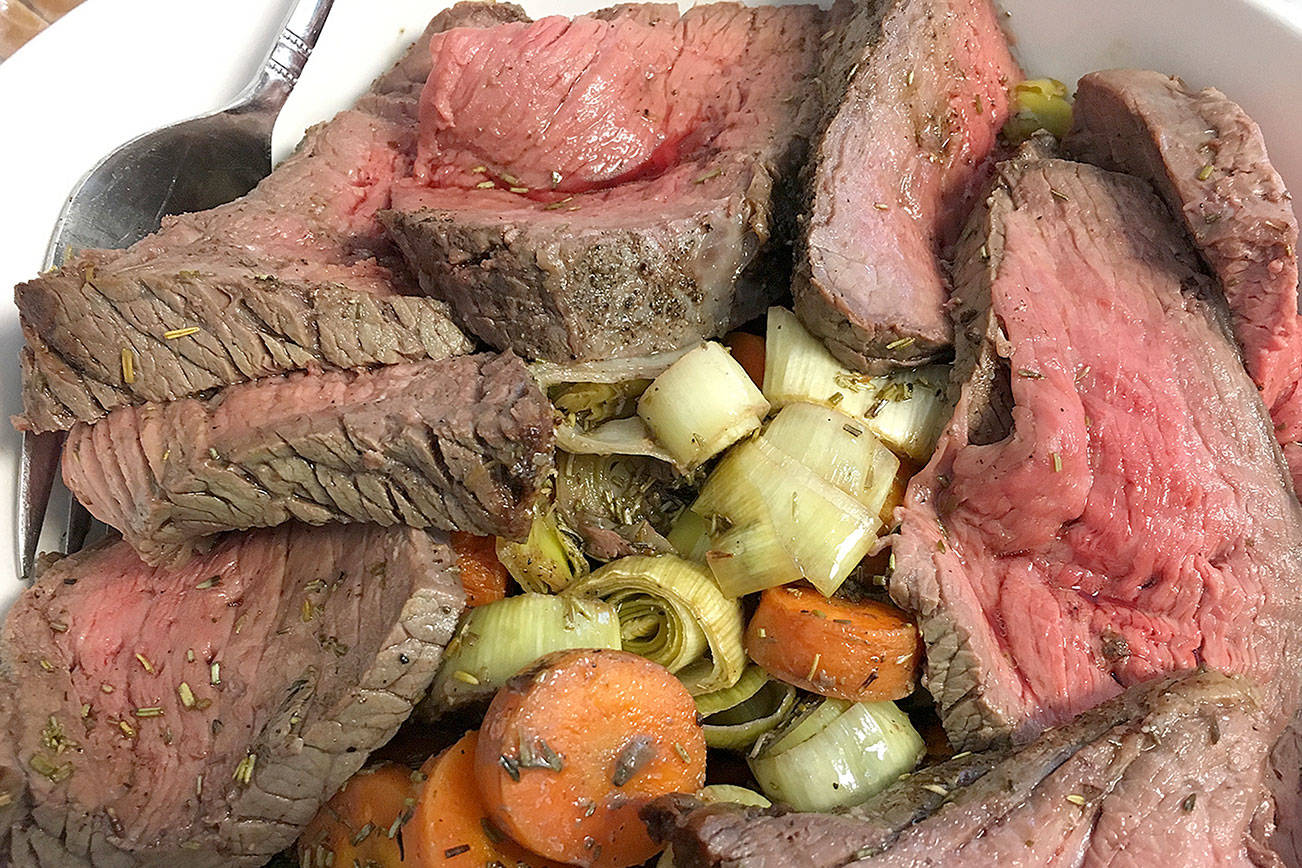
With ‘Game of Thrones’ ending, it’s time for a proper feast
How to make a meal inspired by the Lannisters’ and Starks’ world, fit for the King in the North.
By
Ben Watanabe • May 15, 2019 1:30 am

Stash Box: 2016-2019
Time to roll one for the road …
By
Meagan Angus • February 26, 2019 3:15 pm