Wednesday, March 25
Deviant Septet
Surely realizing it was unsustainable, two composers who contemporaneously took the orchestra to its hypertrophied extreme—Stravinsky (in The Rite of Spring, 1913) and Schoenberg (in his Gurre-Lieder, completed in 1911)—soon thereafter turned to radically stripped-down chamber groupings to write pieces that are (in their way) just as theatrically gripping. Yet Schoenberg, somehow, bet on the right horse: The instrumentation of his song cycle Pierrot lunaire (flute, clarinet, violin, cello, piano) became the template for uncountable new-music ensembles over the succeeding century; while Stravinsky’s The Soldier’s Tale—every bit as picturesque—spawned no successors. Which means that performances of this wry, Faust-ian folk tale are rare, put together by ad hoc collations of musicians—and that if you want to make a permanent performing group out of this odd instrumentation (violin, bass, clarinet, bassoon, trumpet, trombone, percussion), you’re going to have to commission yourself a repertory. Deviant Septet, out of Brooklyn, took this quixotic path; and though the Stravinsky is naturally the centerpiece of tonight’s concert, they’ll also play new works by Esa-Pekka Salonen and others. Town Hall, 1119 Eighth Ave., 652-4255, townhallseattle.org. $17–$25. 7:30 p.m.
GAVIN BORCHERT
Thursday, March 26
Noir de France
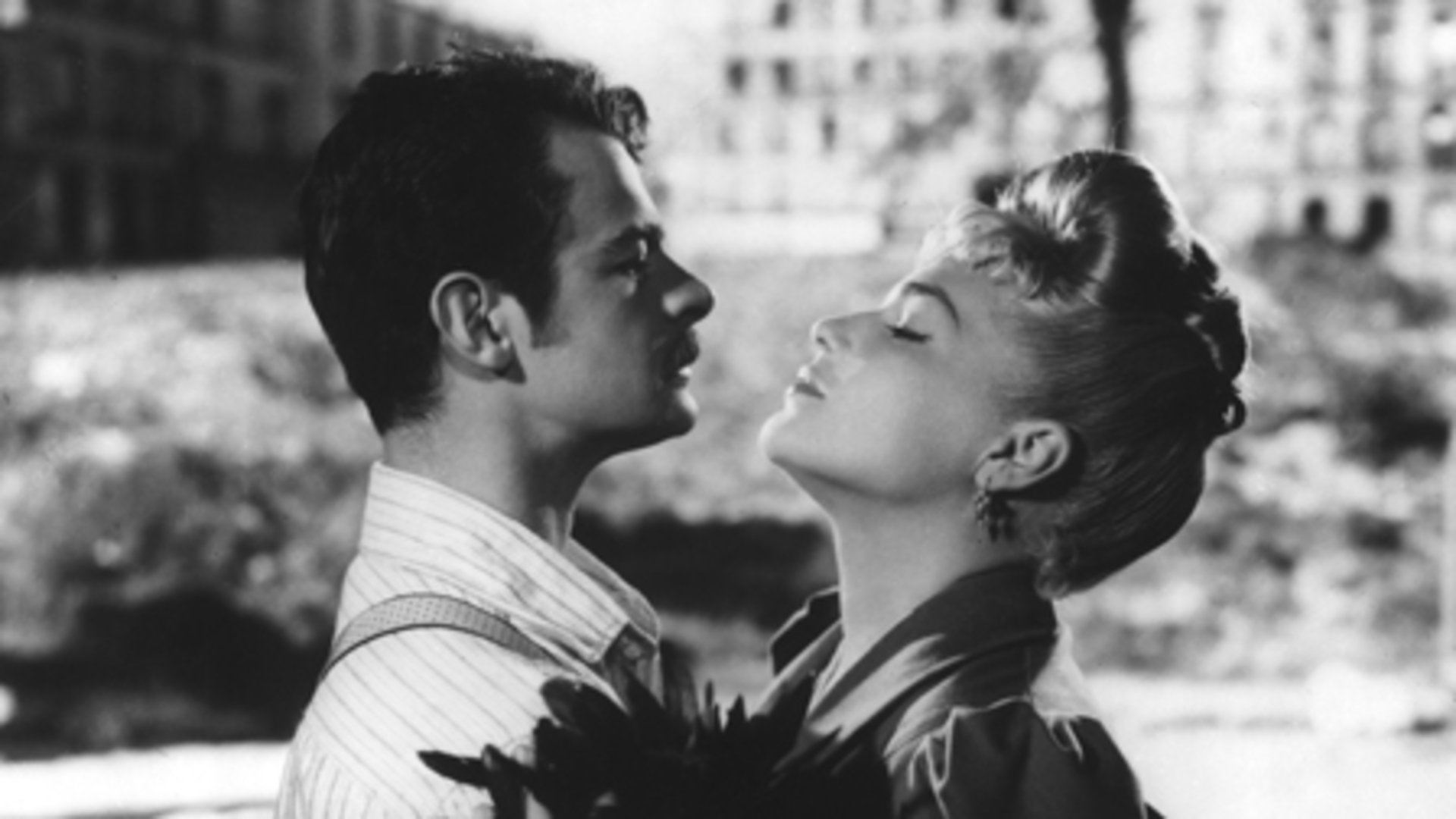
We think of film noir as a distinctly American genre, but after World War II the shadows of the noir sensibility fell across almost every national cinema, each in their own image. Jacques Becker’s Casque d’Or (1952) opens with a scene that evokes the gentle beauty of the Impressionists—a lazy repast at a riverside cafe, lovers rowing and lolling in the sun—but ends up in the dark alleys and slum taverns of the Parisian underworld. It’s a fitting opening-night pick for this retrospective, a transition from the lyrical dramas of the ’30s to the postwar disillusionment of Becker’s elegiac follow-up Touchez Pas au Grisbi (April 2), a modern gangster melodrama about the collision of the romantic criminal code (embodied by a dapper Jean Gabin) with the new generation of mercenary thugs. The nine-film series spotlights two great French noir directors, with three films by Becker and four by Jean-Pierre Melville, whose meticulously plotted and elegantly directed pictures evolve from a romantic vision of the underworld code (Bob le Flambeur, April 9) into an unforgiving cinema fantasy of loyalty, professionalism, and sacrifice (Le Cercle Rouge, May 7). The series runs Thursdays through May 21. Seattle Art Museum, 1300 First Ave., 654-3121, seattleartmuseum.org. $63–$68 series, $8 individual. 7:30 p.m.
SEAN AXMAKER
Friday, March 27
Emerald City Comicon
If you didn’t get a ticket in time for this enormous, totally sold-out gathering, don’t worry. Simply standing outside the convention center is an entire show unto itself, thanks to our city’s incredibly dedicated cosplayers. If you’ve ever wondered what it would look like to see the entire Avengers squad and a random assortment of Final Fantasy characters walk to The Cheesecake Factory together, this weekend is your chance. (They might even let you join them for fried macaroni-and-cheese balls.) But if you did manage to score tickets, you’ve got a lot to be excited about. This year’s celebrity guests are stacked: Anthony Daniels (C-3PO from Star Wars), Finn Jones (Game of Thrones), Charisma Carpenter (Buffy), Hayley Atwell (Captain America), and Gina Torres (Firefly) will all be hanging out to realize your nerdiest wet dreams. Mike Mignola, creator of Hellboy, will be selling Seattle-themed Hellboy shirts, and Dark Horse will offer Seattle-specific cover variants for its Lady Killer series, featuring fish monsters floating around Pike Place Market and characters posing in front of the Space Needle. COLLECT THEM ALL AND STUFF THEM INTO AS MANY FREE TOTE BAGS AS YOU CAN FIND! (Through Sun.) Washington State Convention Center, 800 Convention Pl., emeraldcitycomicon.com. $85–$295 (weekend pass). 10 a.m.–midnight.
KELTON SEARS
Monday, March 30
Barney Frank
Some critics are complaining about the lack of dish, gossip, and sex in Frank: A Life in Politics From the Great Society to Same-Sex Marriage (Farrar, Straus and Giroux, $28). The former Massachusetts congressman doesn’t need such Kardashian shit to sell books. He’s a serious guy who doesn’t want to relive that one long-past scandal about the rent boy, and he’s got a real legislative record—including the Dodd-Frank bill, now under Wall Street/GOP assault—that reflects an insider’s knowledge of how deals are brokered in D.C. One reason he left in 2013, of course, is that it’s so hard to strike a deal with today’s hyperpolarized political climate, with our elected representatives in constant cable-shouting/fundraising mode. His memoir is packed full of pragmatic political lessons. He’s a centrist—not the same as a moderate—and an incrementalist. And he’s not a fan of feel-good parades and Democrats flying their freak flags high. “If you care deeply about an issue,” he writes, “and are engaged in group activity on its behalf that is fun and inspiring and heightens your sense of solidarity with others, you are almost certainly not doing your cause any good.” Try putting that on a banner or protest sign. Tonight, local writer Eric Liu will lob onstage questions at the famously smart, prickly pol. University Temple United Methodist Church, 1415 N.E. 43rd St., 634-3400, bookstore.washington.edu. $27 (admits two, includes book). 7
p.m.
BRIAN MILLER
Music of Remembrance
Actor Paul Wegener was nearly 40 when he made his first film in 1915: an eerie Romantic fantasy of sorcery, love, and death called The Student of Prague. While on location there, he heard an obscure legend about a medieval rabbi who made a monster of clay to defend the city’s Jews from an emperor’s persecution. The story came to obsess Wegener, who made three versions of it. The last—The Golem: How He Came into the World (1920)—was a huge success, soon recognized as one of the masterpieces of silent cinema. With his broad, flat face and narrow, slanted eyes, Wegener specialized in spooky roles. His man of clay, stiff as a child’s crude modeling attempt, begins as an almost comic figure, but rapidly develops a tragic dimension as the lurid events around him unravel. Wegener’s performance is amplified by the bizarrely Expressionist settings of architect Hans Poelzig, who created a stony vision of medieval Prague as an enormous termite mound of muddy spires and crepuscular alleys. A freshly restored print of Wegener’s film forms the climax of this Music of Remembrance concert devoted to music inspired by Jewish folklore. Betty Olivero has composed a new klezmer-flavored score for The Golem, to be performed by a string quartet and Laura DeLuca on clarinet, under the baton of Guenter Buchwald. Benaroya Recital Hall, Third Ave. & Union St., musicofremembrance.org. $30–$40. 7:30 p.m.
ROGER DOWNEY
Kazuo Ishiguro
I haven’t yet cracked its spine, but the highly anticipated The Buried Giant (Knopf, $26.95) is going in my bag to read on a coming vacation flight to Montana (the first time I’ll ever wish that were a longer flight). The British novelist had his first great success with 1989’s The Remains of the Day, which earned a Booker Prize and inspired a very successful film adaptation. More recently, his Never Let Me Go had a sci-fi aspect to it; and now after a 10-year gestation, The Buried Giant is a somewhat mythical story, set in England’s legendary, dragon-filled past, in the time after King Arthur. There, an older couple embarks upon a dangerous foot journey to find their long-lost adult son. Equally, the quest of Axl and Beatrice leads them through their own marital memories and nervous anticipation of death and the afterlife. Their path necessarily puts one in mind of Tolkien, though the magic and spells and curses (one causing amnesia) are grounded in mortal decay and some historical fact. The land is divided between Saxon invaders and British natives, and the embers of past conflict threaten to burst into flame. Still, realism only runs so far: Sir Gawain makes an appearance, and Querig the dragon does eventually arrive. (Also note a $40 ticketed breakfast event with the author, 8:30 a.m. Tuesday at Ravenna Third Place.) Seattle Central Library, 1000 Fourth Ave., 386-4636, spl.org. Free. 7 p.m.
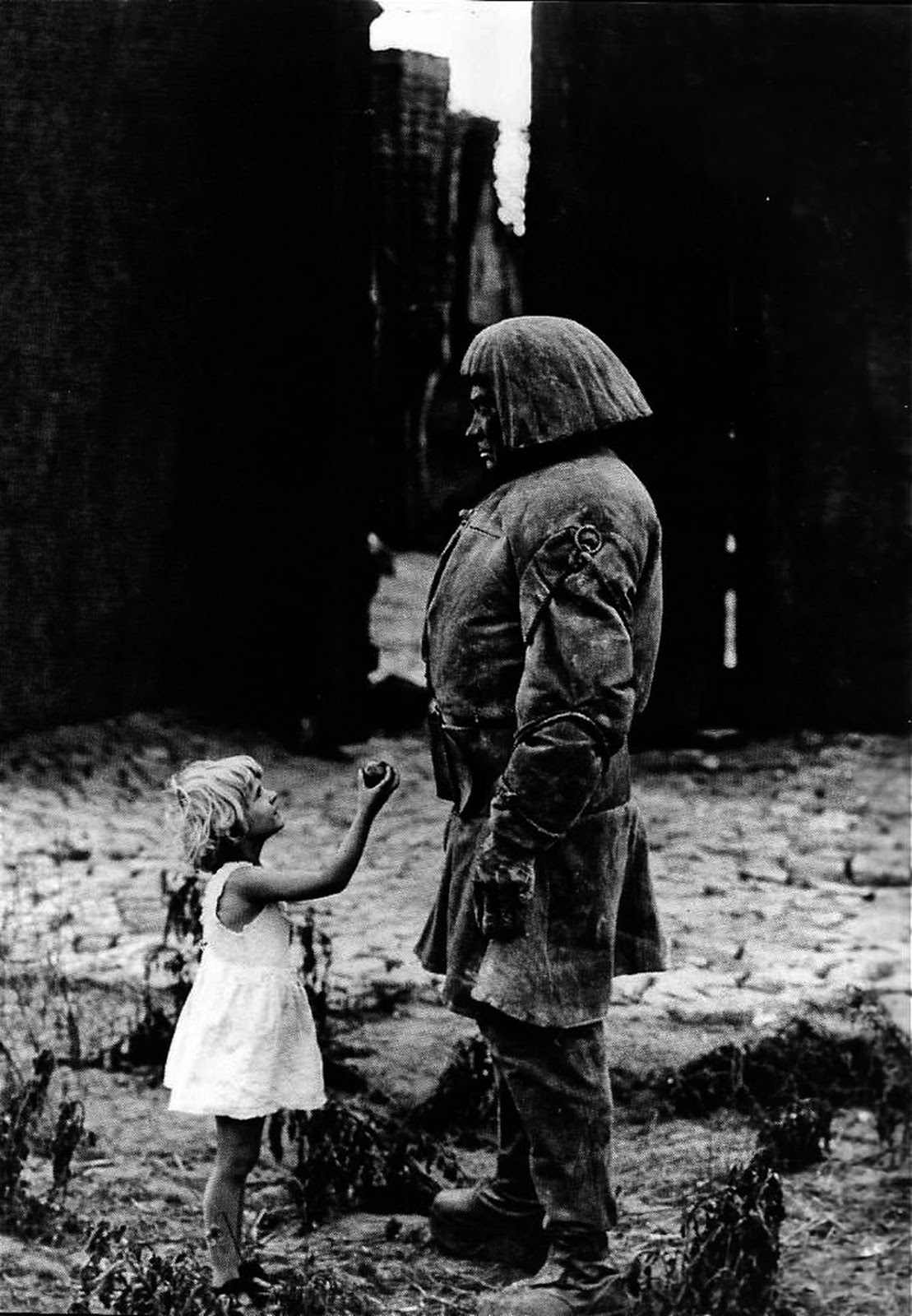
Wegener in The Golem.