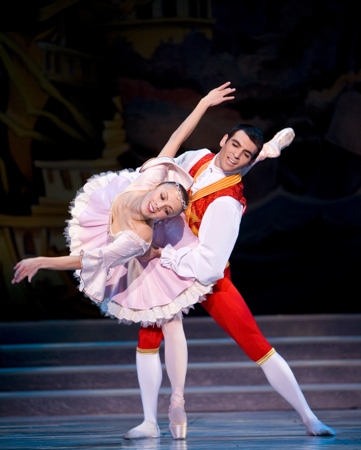
Tchaikovsky was not enthusiastic about his commission to write music for Nutcracker; which Pacific Northwest Ballet is staging for the 26th holiday season in a row. In 1891, ballet composers were expected to turn out disposable oom-pah fluff, and Tchaikovskys 1877 Swan Lake music had been criticized, essentially, for being too interesting. It didnt help that choreographer Marius Petipa gave him a pages-long, rigidly specific scenario16 bars of this, please, now 64 of that. But Tchaikovsky did relish the chance to scoop rival composers by using a beguiling instrument that had just been invented in Paris: the celesta, basically a glockenspiel played by a piano keyboard, which created a sensation in the Dance of the Sugar Plum Fairy. The ballets fairy-tale setting let him put his skill at orchestral color to magical use. And when he conducted eight of his dances, the Nutcracker Suite, at a symphony concert months before the ballets premiere, they proved hugely popular (as they did a half-century later in Fantasia). But my favorite Nutcracker number is the pas de deux, in which Tchaikovsky was able to work up a simple descending scale into a full-on orchestral orgasm. And my favorite Tchaikovsky spoof: Beatles producer George Martin, realizing that the opening strain of All My Loving is Tchaikovskys pas de deux upside-down, arranged the song, hilariously, in Nutcracker style for Magical Mystery Tour. GAVIN BORCHERT [See Paige Richmond’s review.] Performances through Dec. 30; see Web site for complete schedule.
Nov. 27-Dec. 30, 7:30 p.m., 2009