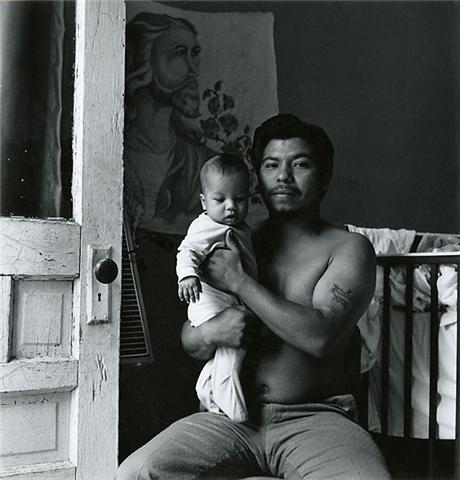
These days, you dont see so much traditional, WPA-style documentary photography of the poor and the working class. You also dont see much photography by centenarians like Milton Rogovin, who turned 100 last December. A Buffalo, New York optometrist, he picked up a camera in the 50sless as a hobby than social crusade. These two dozen photos (plus a video of the still-cogent artist filmed last year) are selected from flack-and-white essays hes shot of miners, Buffalo street denizens, and factory workers framed on the job and at home. Dignity is always the common theme here. Rogovin and his late wife, Anne, were known for courteously introducing themselves to prospective subjects, for returning againoften years laterfor follow-up shots, and never placing them against arty white Avedon-style backdrops. You respect the sitter by respecting the context. Thus, in a paired portrait of a German coal miner from the 80s, Rogovins subject first appears as a grimy, half-naked ghoul after his underground shift, cigarette clenched between filthy lips. In the next frame, hes clean-scrubbed in a tidy bedroom, perhaps ready for a date, with fanciful horse posters on the walls behind him. He has his dreams, separate from the job that neither defines him nor shames him. As with Rogovin: He had his day job, working with eyes, and a mission to help us see. BRIAN MILLER
Fridays, Saturdays, 11 a.m.-9 p.m.; Saturdays, Sundays, 11 a.m.-4 p.m. Starts: Feb. 5. Continues through April 25, 2010