Enumclaw songbird rehab sanctuary closes
Published 4:50 pm Tuesday, July 14, 2026
They’re common enough situations — you’re reading/playing board games/doomscrolling at home when a bird flies into your window, or the family cat comes through the door flap with a still-struggling “present” in its jaws.
Many people have tried to care for an injured bird, but their wild and skittish nature makes it neigh impossible for (most) people to help them.
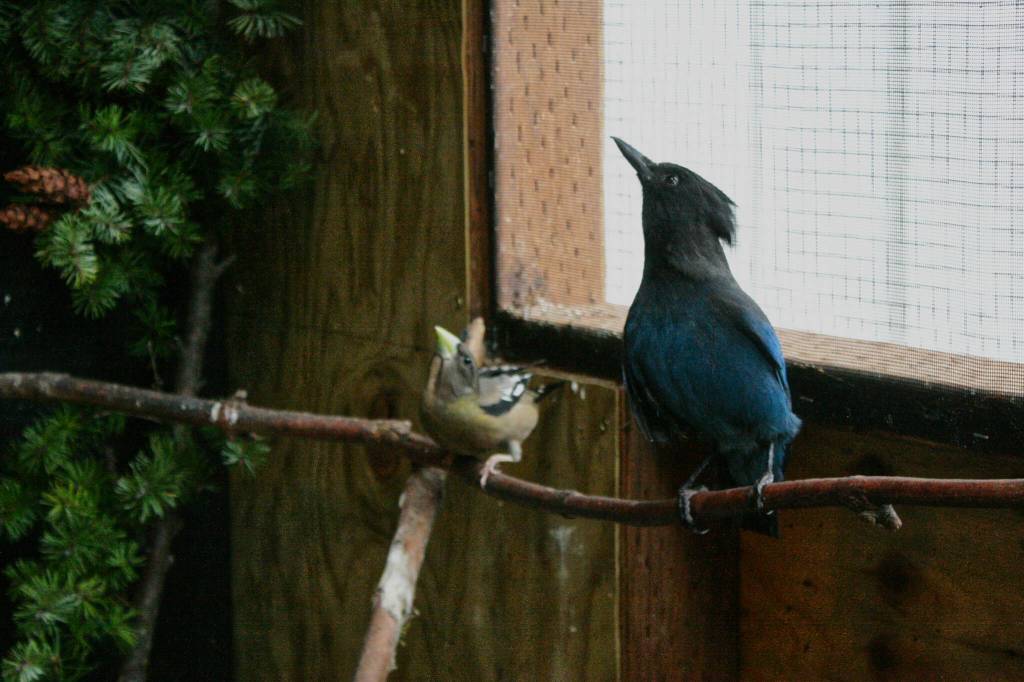
For the last dozen years, both locals and people around the state could (and would) take birds of all shapes and sizes to Enumclaw’s Featherhaven, a nonprofit songbird rehab center.
However, this lynchpin in wild avian care has closed its doors.
“It was an extremely difficult decision to retire. Wildlife rehabilitation is extremely demanding, both physically and emotionally, especially in a small all-volunteer facility like ours,” Kelley said in an email interview. “If you are blessed to live long enough, age and health concerns start to catch up with us all. We simply no longer had the stamina it takes; the heart was willing but that is just not enough in this profession.
“It was a privilege to care for wildlife and we will miss it always. We don’t know what is on the horizon but look forward to life’s next adventures,” she continued.
The Wards treated more than 3,500 birds since the sanctuary opened in 2014.
For the most part, they helped heal local songbirds.
The trick, though, is that their charges were wild animals — and once they’re ready to be released, they must retain their natural instincts.
This meant the Wards, various volunteers, and veterinarians needed to be very careful about getting overly-involved with their patients; it was specialized care that was rarely offered anywhere else in the state.
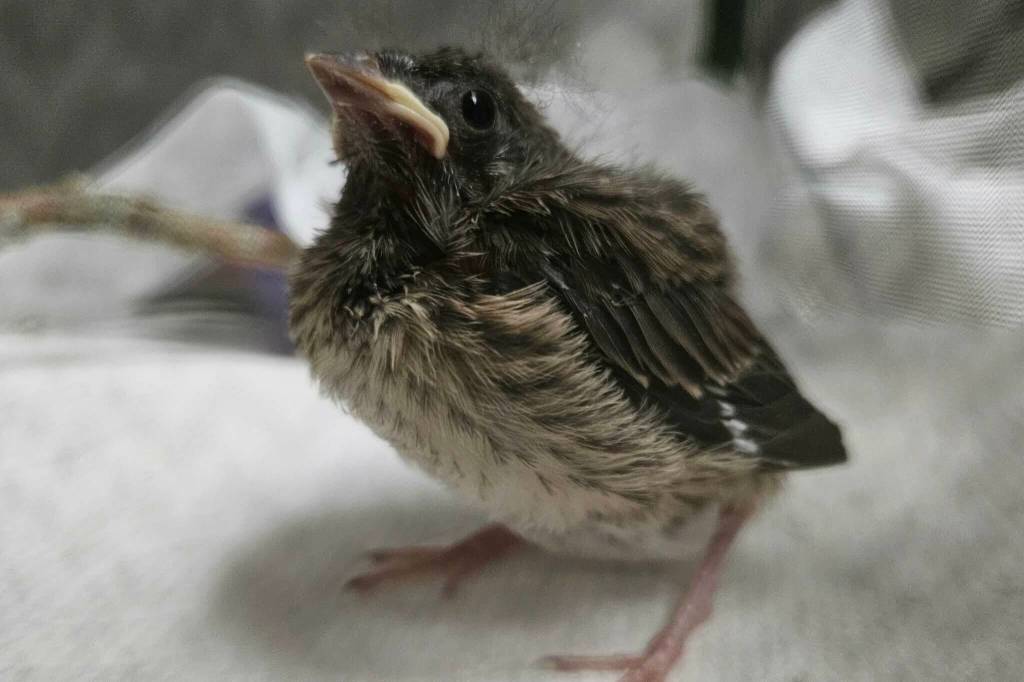
For example, when taking care of abandoned fledglings (or baby birds that people thought were abandoned, but simply found their way out of their nest — birdnapping, if you would) Featherhaven would do its best to provide them insects exactly how its parents would, and use formula as sparingly as possible.
Thousands of dollars were spent every year to keep up with fledgling feeding, which could be a full time commitment — some birds needed to be fed every fifteen minutes, morning to night.
But volunteers also needed to refrain from eye contact and conversation.
Even placement within the sanctuary was important, as baby birds needed to learn their own songs, and not the chirps and whistles of other species; if they accidently learn the wrong species-specific language, communication and mating would be difficult in the wild.
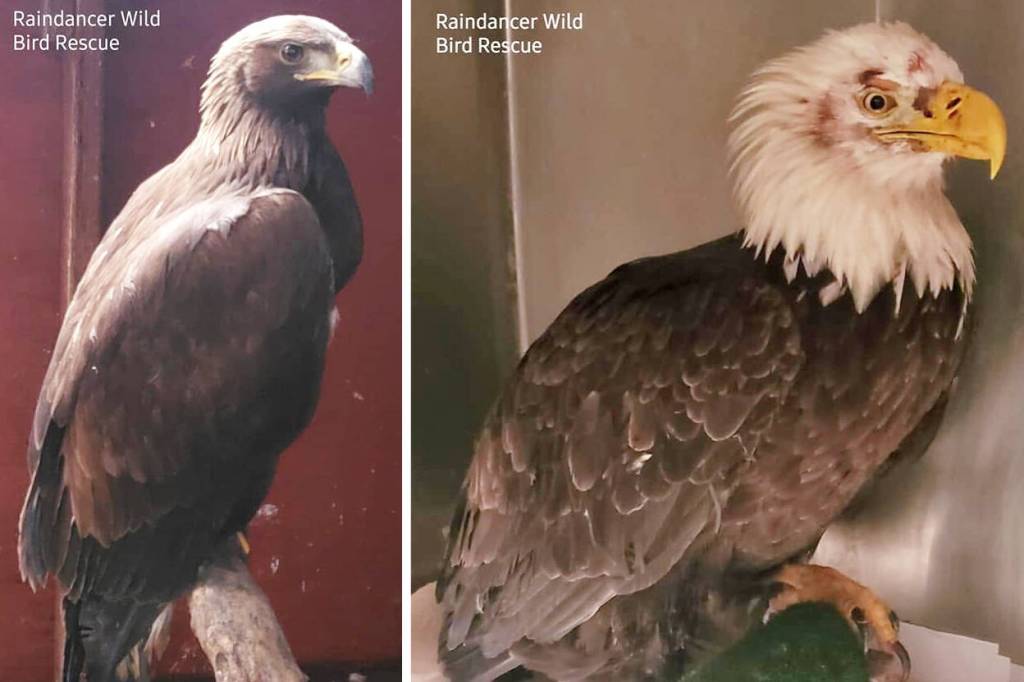
Some modern medicine was used for sick or injured birds, including pins for broken bones and anti-inflammatories and antibiotics for disease. Many birds needing this sort of care were treated by vets at the Pine Tree Veterinary Hospital in Maple Valley, the Progressive Animal Welfare Society (PAWS), or Raindancer Wild Bird Rescue in Olympia, which specializes in birds of prey.
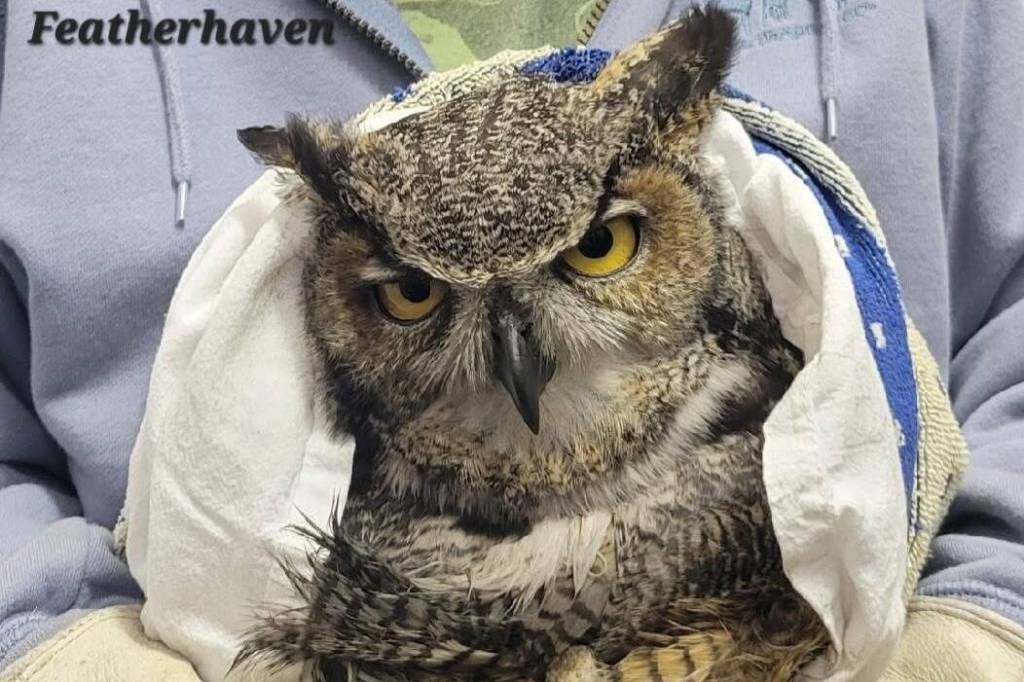
Although Featherhaven specifically advertised itself as a songbird rehab sanctuary, that didn’t prevent people from bringing all sorts of other birds to them (including this reporter) or requesting the Wards to come to the birds.
One of the most recent cases involved David making a trip to the University of Puget Sound last April to extract a barred owl that was playing peek-a-boo from a fireplace smoke shelf.
“If you have an uncapped chimney, please consider adding a cap or screen so as to prevent these one-way trips to nowhere,” the nonprofit wrote in a Facebook post about the rescue.
The month prior, Featherhaven aided a great horned owl that was struck by a freight train. After being treated for blunt force trauma, the large bird was transported to PAWS for continued care.
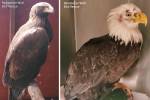
Other birds of interest included a calliope hummingbird, a common poorwill, a golden eagle and a burrowing owl.
“All of these birds are not common on the West side of the Cascades, and eventually they were all released into appropriate habitats on the East side with the exception of the Burrowing Owl, which sadly did not recover from its injuries,” Kelley said.
CONTINUED CARE
Featherhaven may be closed, but that does not mean local birds are without protection, if local residents are able to take extra steps to keep them safe.
Cats, perhaps unsurprisingly, are one of the biggest threats to birds.
“There is no greater human-caused source of direct mortality for birds than domestic cats… that roam outdoors,” The American Bird Conservatory says, adding that 2.4 billion birds are estimated to be killed by cats every year in the U.S. alone.
However, the biggest issue isn’t successful hunting — bacteria in their saliva and claws can kill a bird even if it sustains a small injury, which is why many bird conservation groups advocate for all cats to remain indoors.
(They also note that bells around a cat’s neck will not deter it from hunting, nor affect its success.)
Making sure bird feeders are clean is another way to keep your local flocks healthy; experts say cleaning feeders once a week with a weak bleach solution — not soap, due to leftover residue — will be enough to prevent bacteria and fungus from spreading.
This is especially important for hummingbird feeders, and the sugar water can go bad fast.
The Wards also warn people away from using insecticides or rodenticides, as the poison that killed a bird’s food will eventually kill it.
For more bird conservation tips, head to abcbirds.org.