SIFF reviews: “Under A Million Stars,” directed by Mercer Island’s Chezik Tsunoda
Published 10:24 am Monday, May 11, 2026
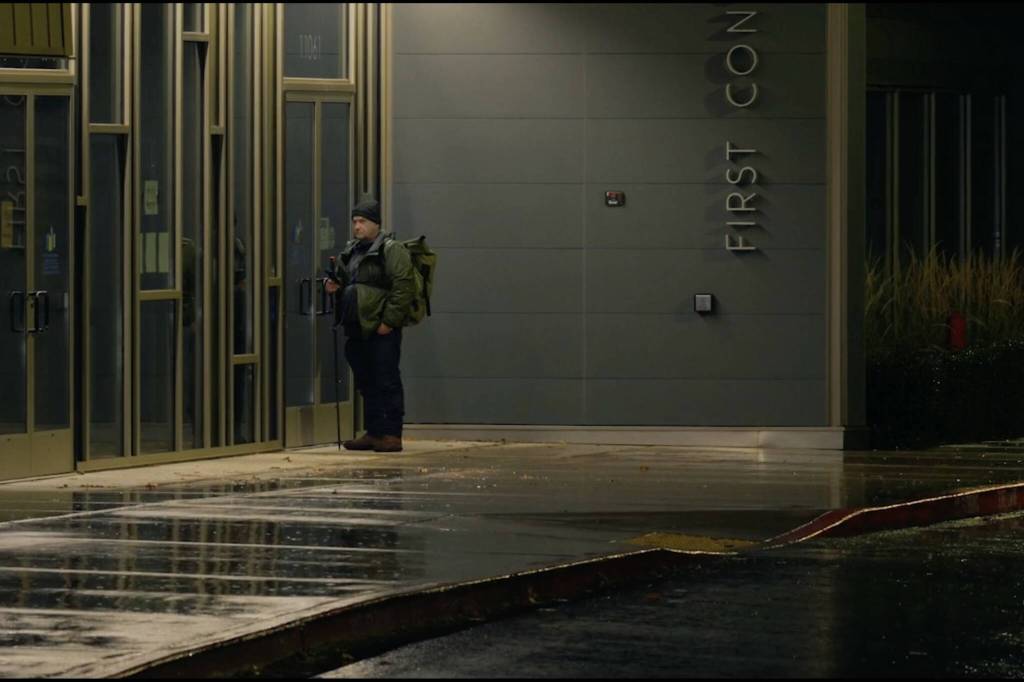
Directed by Chezik Tsunoda, who was one of the recipients of the 2025 Seattle International Film Festival Grant for Courageous Documentary Filmmaking, “Under A Million Stars” is the first documentary I have watched for this year’s SIFF and, unfortunately for the other docs, it has set the bar exceptionally high.
Clocking in at around 77 minutes, the film dives into Seattle’s homelessness — or unhoused — crisis that has been in a county state of emergency for over a decade.
Toward the beginning of the film, we are hit with a devastating statistic: since King County declared a state of emergency over the unhoused crisis in November 2015, there has been over a 67% rise in those who experience homelessness.
A three-year labor of love, compassion and connecting threads, the film unweaves the different things that contribute to the unhoused crisis, confronting ever-perpetuating myths and showing how the typical “solutions” have proven to exacerbate the problem — primarily through the lens of Danny and Star, two very different people with their own struggles and experiences with being unhoused in Seattle.
Danny, who is in his mid-60s, describes himself as “chronically” unhoused and reveals that he hasn’t had a home since he was kicked out of his father’s home at 17. As the film follows his journey toward potentially receiving senior housing, we see that he is very courteous and patient, but he worries about being able to even live indoors, since it would be such an intense change of lifestyle.
“I’ve been outside so long, it’s like, all I really know and I just like to be outside. You know, some nights when the sky is clear and you wake up under a million stars, it’s just, you just can’t get past that,” said Danny.
When we’re introduced to young mom Star, she has been in housing for about a month and she says becoming unhoused again is a major fear, going so far as to say that even just being outside feels like bad luck. Star is epileptic, which caused complications during the birth of her daughter, Luna. Star prioritizes staying in an apartment to help her child, but says that, despite having a roof over her head, she still struggles.
“I think that what people don’t realize is the transition of, after being around and being in community and then going into housing,” said Tsunoda. “When you’re all alone, you have these four walls surrounding you, you have this bed that you’re supposed to sleep on … and now to be alone and trying to do this on your own, it’s scary, no matter your age. So, I really wanted to make sure that we touched on that just because I think people throw [the unhoused] in, get them a house or something, and it’s like, this is the beginning.”
The phrase “Homelessness thrives amidst affluence, not amidst poverty” is used throughout the film, and drives home the realities of what causes homelessness.
“When I think about the homelessness crisis in the United States, we see it more prevalent in booming places, places that are economically prosperous,” said Gregg Colburn, author of “Homeless Is A Housing Problem.” “Why is that? Because this wealth has created a really difficult housing market. So if you happen to be poor in an affluent place, it has big consequences. That is what we failed at in Seattle and all over the country.”
The film touches on redlining, people aging out of the foster system, domestic abuse, sex trafficking, risks of staying in shelters, encampment sweeps and more, including narratives perpetuated by local media, community leaders and politicians. Andrea Suarez of We Heart Seattle and former Seattle mayor Bruce Harrell were among those interviewed for the doc.
The film shows the importance of community to the people living on the street and in Tent City 3 near University of Washington. It also shows the work done by local volunteers and outreach workers who try to help the unhoused throughout the city, including Tye Reed, who is the co-founder of House Our Neighbors.
“Why live in miserable conditions when you could be living, you know, protected around a group of people who you know in your community?” said Reed, when referring to tent cities.
The doc also skillfully shows the juxtaposition between compassionate work with the unhoused and the harm that spirals out when an encampment is destroyed, citing statistics that show that, in reality, these sweeps have increased the number of unhoused individuals.
Along with a well-weaved path that shows what contributes to the unhoused crisis and how a compassionate, humanist approach is likely a more appropriate course of action, the film is also beautifully shot, with landscape scenes of Seattle that show all sides of the city, from its affluent neighborhoods to its forested parks to tents on sidewalks. The scenes are breathtaking, and a major plus for this documentary.
In an interview, Tsunoda, who used to be a music journalist for MTV News and currently lives on Mercer Island, said she is hopeful that her films lean into things that are unspoken or unheard of, or are things that people have misconceptions about.
“I think we see homeless people, but we don’t know ‘You’re Danny’ or ‘Your name is Star.’ It’s about giving a face and these are people’s moms and sisters and daughters and sons, and so I just think giving a little bit of that to the average person who is an ‘us versus them’ or a NIMBY, it feels important,” she said.
To find showtimes for “Under A Million Stars” and other SIFF Northwest Connection films, visit siff.net/festival.