Site Logo

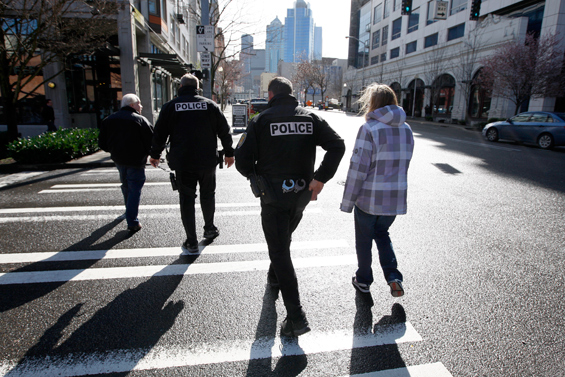
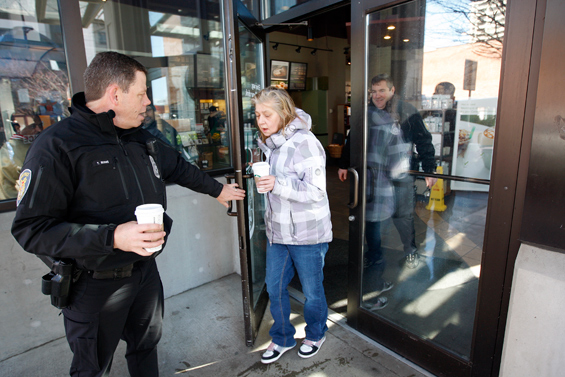
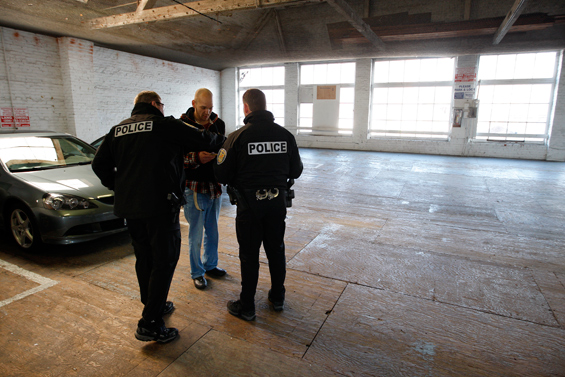
Our photographer takes a walk with the Tom Burns and Bob Besaw,

Published 7:00 am Monday, September 24, 2012
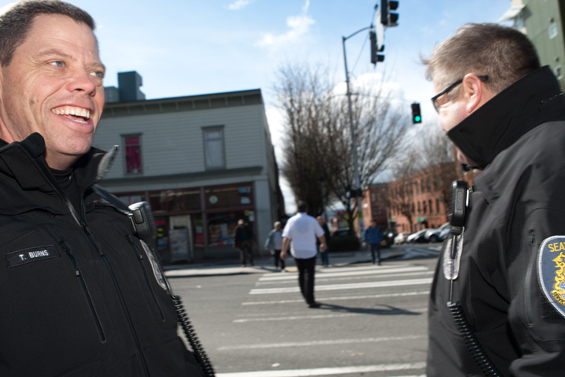
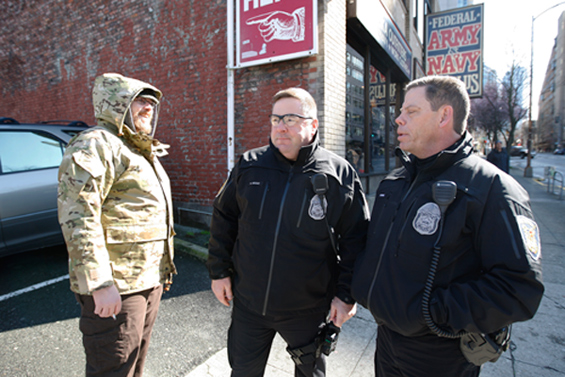
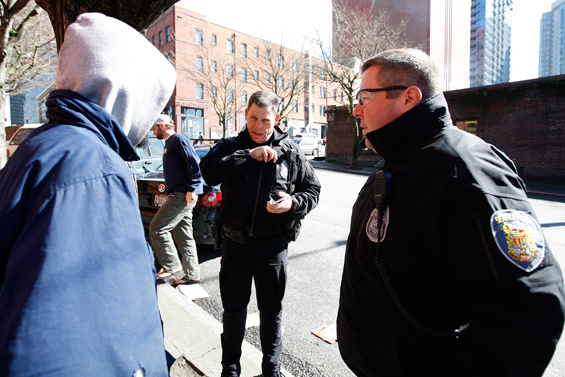
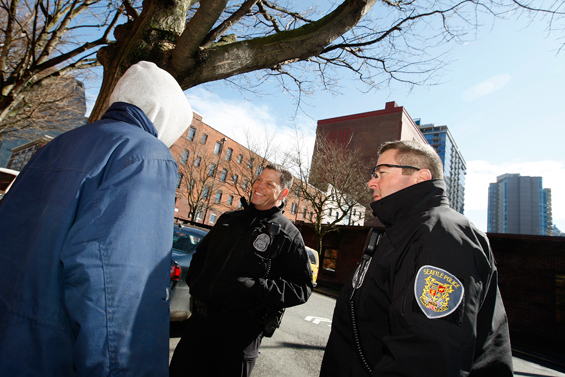
Belltown beat cops Tom Burns (left) and Bob Besaw (right) are the authors of the controversial list that's become the most prominent example of the Seattle Police Department's new, progressive approach to policing.
1/10
Belltown beat cops Tom Burns (left) and Bob Besaw (right) are the authors of the controversial list that's become the most prominent example of the Seattle Police Department's new, progressive approach to policing.
Burns and Besaw have known each other since childhood, when they roughhoused at West Seattle's Hiawatha Playfield.
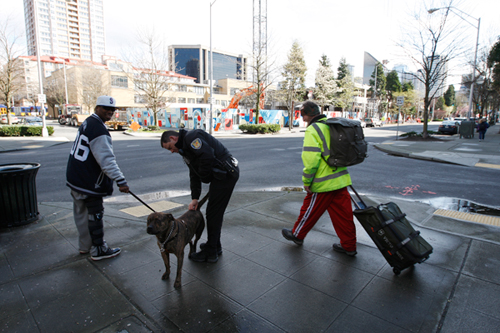
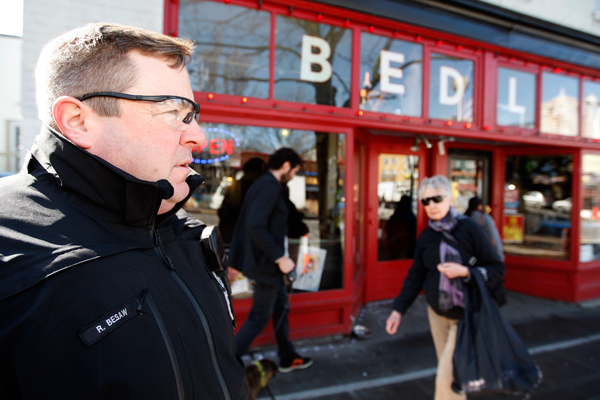
Though combined they have nearly a half-century of experience, they only recently started to work together, when they began walking their beat in Belltown.
Last summer, during one of the neighborhood's all-too-frequent crime waves, Burns and Besaw decided to look up the criminal histories of all the people they encountered every day while on the job.
What they found shocked them. Some had over 100 contacts—defined as any kind of formal exchange with an officer; not always an arrest, but often indicative of some kind of criminal history.
The high-scorer had 208 contacts. In his profile was this two-word warning: caution: mental.
Added up, the list named 75 people responsible for some 4,500 contacts, including arrests for murder, rape, drug dealing, and scores of misdemeanors.
When the list leaked, it became a Rorschach test. Some saw it as evidence that Belltown was out of control. Others, like Burns, Besaw, and a few important higher-ups in SPD, saw it as an indication that the way things had always been done—meaning, arrests—wasn't working.
Thus, the list became a tool in a progressive new policy that encourages police officers to give some low-level offenders a choice: rehabilitation instead of jail. It's a role reserved normally for judges, after a case has wound its way through the legal system. Now it's available to the very people who know their clients best: the cops.
To learn more about the list, and how the public's perception of SPD doesn't always match the day-to-day reality, read Nina Shapiro's cover story, SPD's Softer Side.

Our photographer takes a walk with the Tom Burns and Bob Besaw, the Belltown beat cops responsible for compiling a controversial list of 75 people responsible for some 4,500 contacts with police. To learn more about the list, and how the public’s perception of SPD doesn’t always match the day-to-day reality, read Nina Shapiro’s cover story, “SPD’s Softer Side.”Published on March 28, 2012