LOREY SEBASTIAN
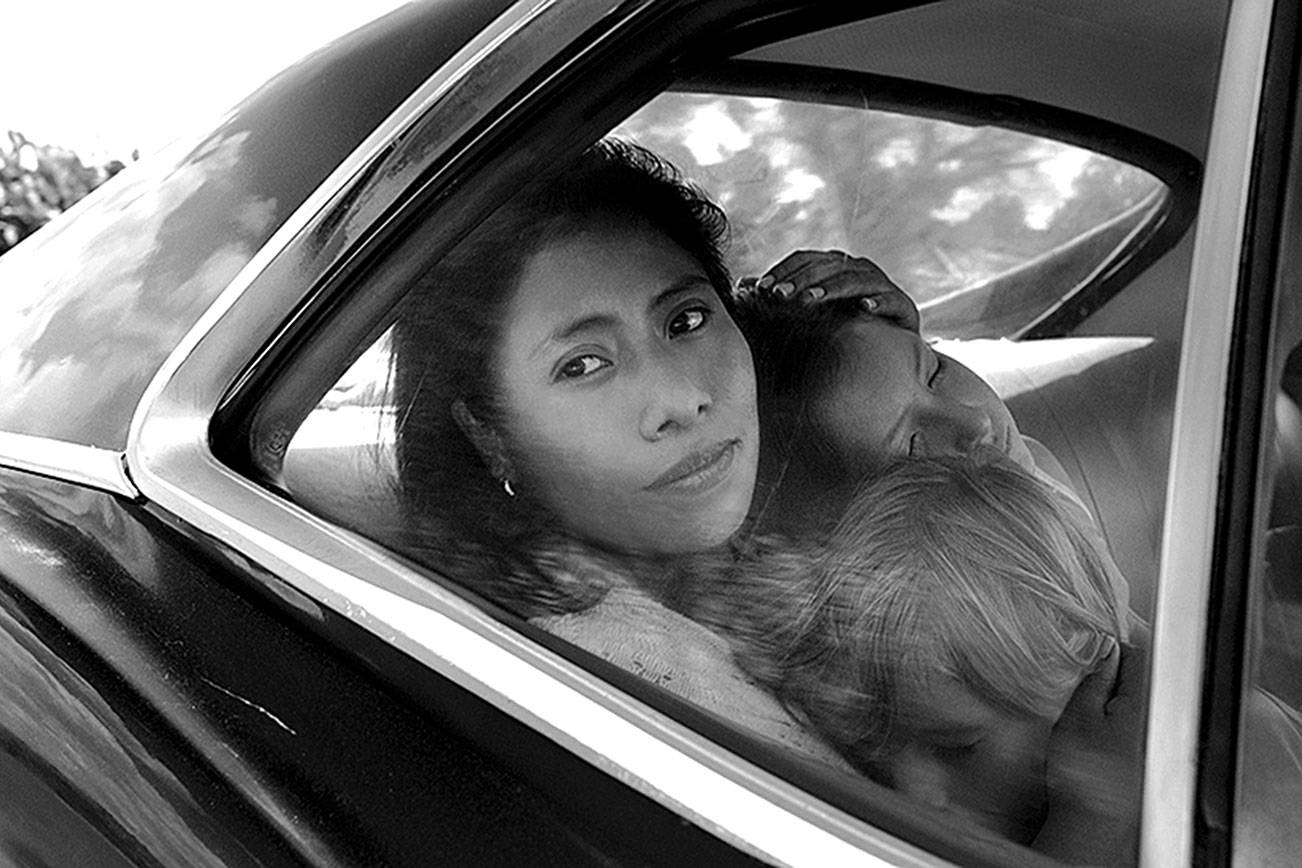
Crash cop Dillon rescues Newton.
Related Content
More About
Crash
Opens Fri., May 6, at Guild 45 and others
Paul Haggis is like Stanley Kramer with a brain. His social-problem dramas are taking over the dumbed-down movie universe. His arguably overrated Million Dollar Baby script ignited a political firestorm, and now he co-writes and directs a smarter, more important film about race than Spike Lee has ever managed. Props to star and co-producer Don Cheadle for making Crash happen.
Cheadle leads an ensemble of morally ambiguous racists in L.A., where parallel worlds occasionally collide, inevitably involving cars. The interlocking stories recall Short Cuts and Magnolia, but they mesh more smoothly into a better-crafted whole. As police detective Graham, Cheadle rescues himself from the niceness that menaces his movie persona. He's a good cop, but he makes appalling comments to his Hispanic squeeze and police partner (Jennifer Esposito). In the moody-as-Mulholland Drive opening, he stumbles upon a gruesome scene at a car crash; then we flash back to the day before and learn about all the colliding lives that inadvertently conspired to produce the bloody upshot.
Practically every role cries out for Oscar attention. The rapper Ludacris and Larenz Tate outdo the nattering hit men of Pulp Fiction as they bicker amusingly about whether L.A. is one huge conspiracy against blacks; Tate's chip-on-the-shoulder character insists that buses have big windows strictly to humiliate black passengers. He claims the white couple walking ahead of them automatically assumes two black youths must be thugs. See that racist white bitch flinch? Then they mug the couple, take their keys, and steal their Navigator.
The mugged pair turns out to be the county's district attorney (Brendan Fraser) and his pampered wife (Sandra Bullock). She's bitter because her flinching prescience about those two muggers might make people think she's racist. In fact, she is racist. The part solves Bullock's niceness problem brilliantly—this lady ain't Miss Congeniality.
Meet a second ritzy couple in a fancy car: a TV director (Terrence Howard) and his half-looped arm-candy wife (Thandie Newton). They're the least streety blacks you could meet; even so, they're stopped by a racist cop (Matt Dillon). He uses the excuse of her drunken mouthiness to search her for weapons, finger-fucking her under her skirt to humiliate her husband. Often, but never more so than here, Haggis achieves the mind-fucking effect that Neil LaBute is forever after, only LaBute is just malevolently rubbing our noses in a caricature of human nature, while Haggis is analyzing it.
Haggis—who was once carjacked himself while driving with his wife—also complicates the picture. Dillon is a racist, and also a loving son to his dying dad and a hero at a crash site. When he harangues a black medical bureaucrat who probably would give his ailing dad a break if she weren't being harangued by a racist honky, we grasp that his bitterness is a mind-forged manacle. He's his own first victim.
Crash isn't all black and white. It's about America's rainbow coalition of self-sabotaging hatred. The smashup of a semiliterate Iranian shopkeeper and his Hispanic locksmith is perhaps the most excruciatingly plausible of the film's collisions. You could accuse Haggis of overusing coincidences, and maybe the parallel narratives that I find lifelike will strike you as schematic. There is a kind of messy greatness that Magnolia nobly strives and fails to achieve that the tidier Crash doesn't go for. Ultimately, it is a formula film, only the formula is original and highly combustible. You won't hear more fiendishly articulate dialogue on-screen any time soon. And you'll probably leave the theater spoiling for an argument. Drive safely. (R) TIM APPELO
Don't Move
Opens Fri., May 6, at Metro
In the rain and from a God's-eye view of Rome, we see an accident at a confluence of streets: everything gray-blue except for the shocking red of a motorbike crash helmet and the blood pouring from the young woman victim. It's veteran actor Sergio Castellitto's bravura opening for his second film as a director, which he's adapted with his wife, Margaret Mazzantini, from her novel Don't Move. He plays the central character, a rich, gifted surgeon, who plunges deeper and deeper into what the press notes call "an abyss of love, cowardice, and pity."
Presumably, in such a yeasty artistic marriage, it would be gauche for Castellitto to ask his wife a few hard questions about her motivation for surgeon Timoteo's moral and sexual descent. The underpinnings of rot among rich and cultured Romans must simply be a given. (As the film keeps reminding us, this is still the country of 8 1/2, La Notte, and La Strada.) Out here in the audience, however, watching Timoteo wallowing in almost orgiastic self-pity for two-plus hours, anything concrete might be helpful.
On the surface, there's plenty: the 15-year old accident victim at death's door is Timoteo's only child, Angela, coincidentally brought to his hospital, while his wife, Elsa (Claudia Gerini), frantically flies home from a business trip. Staring into the rain, his mind goes back—and forth—to before Angela was born, and to the other cataclysmic event of his life: his meeting with Italia (the electrifying and nearly unrecognizable Penélope Cruz), a snaggle-toothed, half-Albanian cleaning woman he meets one hot afternoon after his car breaks down in the dusty outskirts of Rome.